API failures can create technical headaches for third-party collection agencies. Delayed balance updates, failed payment postings, and synchronization issues can disrupt operations and impact the consumer experience. As collection platforms become increasingly interconnected, reliable data exchange is becoming a business priority.
The growing focus on API performance is reflected in the global API Rate Limiting Gateway market, which is projected to reach USD 3.52 billion by 2033.
This article explores debt collection software API rate limiting, how it works, why it matters for collection operations, and the best practices agencies can use to support reliable integrations in 2026.
Brief look:
API rate limiting is the practice of controlling how many requests an application, user, or connected system can send to an API within a specific period. In debt collection operations, rate limits help manage the flow of data between collection platforms, payment processors, consumer portals, systems of record, and third-party integrations.
Rate limiting is a control mechanism that cloud APIs use to regulate the number of requests that a user can make in a specific time.
- Microsoft
The benefits include:
Different models use different methods to control request volumes, each with unique advantages depending on the operational requirements. In the next section, we will examine the most common rate-limiting models and how they support collection workflows.
Suggested Read: 8 Ways API-Based Recovery Tracking Can Improve Debt Collection in 2026
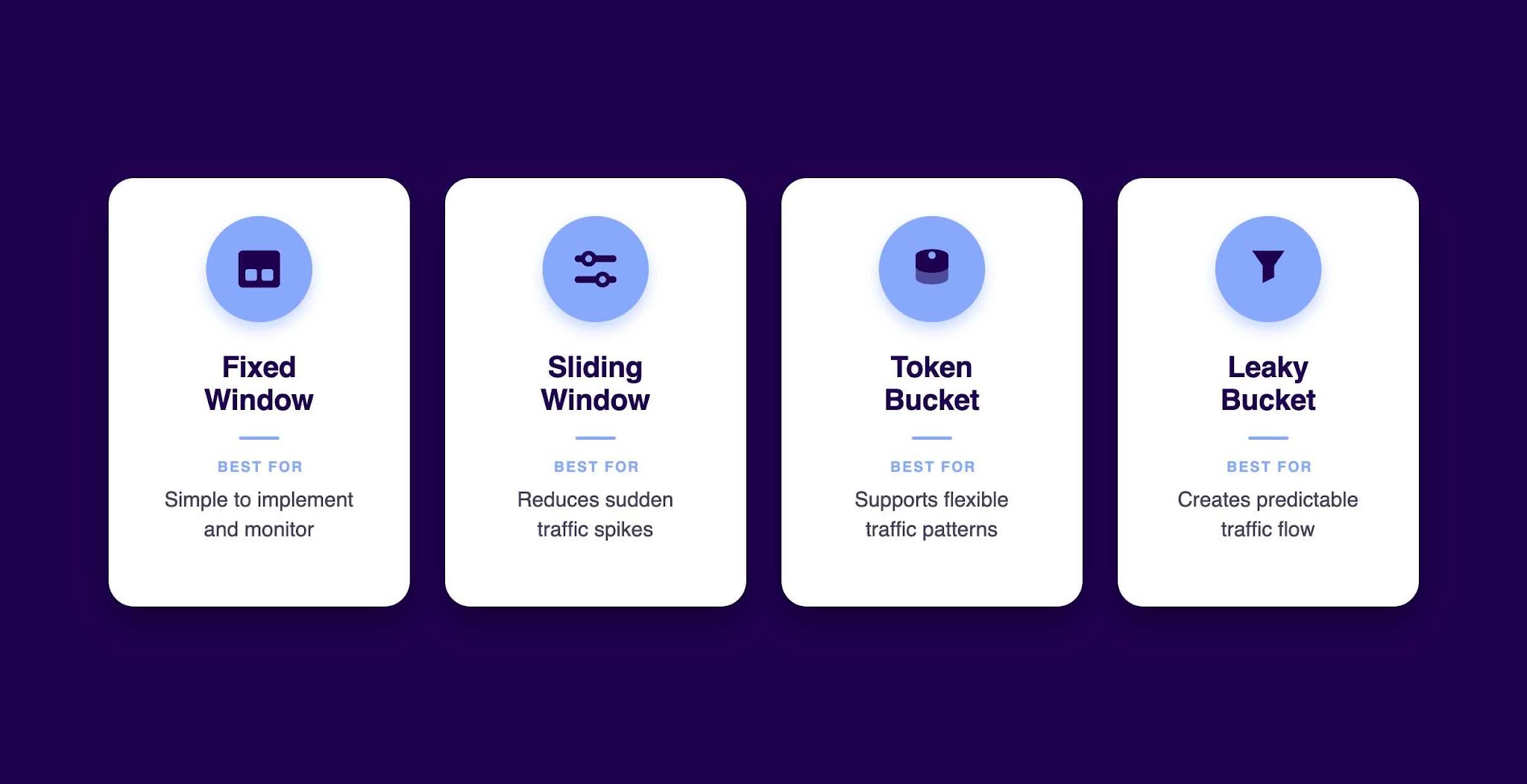
Understanding these different approaches can help collection organizations choose strategies that balance reliability, scalability, and user experience.
Table showing different rate-limiting models used in debt collection platforms:
While each model manages request volume differently, they all serve the same purpose: protecting systems from overload while ensuring critical collection workflows remain operational.
How these models support collection operations:
The right model often depends on the operational environment and the types of integrations being supported. In the next section, we will examine API rate-limiting best practices that help collection platforms maintain performance as data exchange volumes increase.
Suggested Read: What to Look for in API-First Collection Solutions for Agencies in 2026
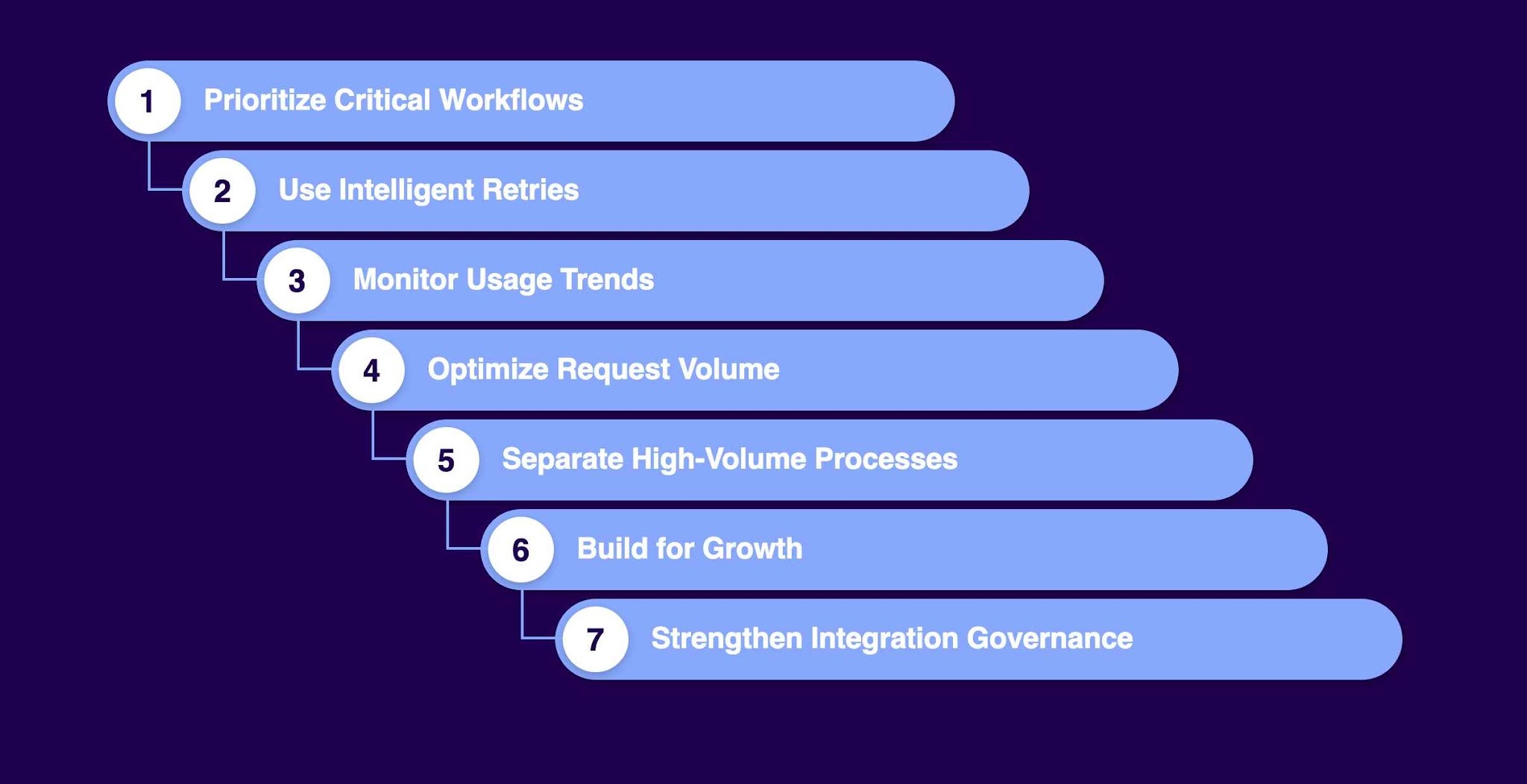
As collection ecosystems become more interconnected, API performance directly impacts operational efficiency. Agencies that proactively manage API traffic are better positioned to support reliable data exchange, consumer experiences, and recovery workflows.
Best practices for debt collection software api rate limiting include:
Not all API requests carry the same business value. Payment transactions and account updates should receive higher priority than routine reporting or background processes.
Focus on:
Failed requests should not immediately trigger repeated attempts. Retry logic helps prevent temporary issues from escalating into larger performance problems.
Key considerations include:
API traffic patterns can change as portfolios grow and integrations expand. Ongoing monitoring helps teams identify potential bottlenecks before they affect operations.
Track metrics such as:
Excessive API calls can consume resources without adding value. Efficient request management helps maintain performance during periods of high activity.
Best practices include:
Large data transfers should not compete with real-time operational workflows. Segregating workloads helps maintain consistent performance across the platform.
Examples include:
API strategies should support future portfolio expansion. Planning for increased data volumes helps prevent costly redesigns later.
Areas to prepare for:
Technology alone cannot prevent integration issues. Clear standards help ensure API activity remains predictable and manageable across partners and vendors.
Establish controls for:
Effective rate-limit management depends on strong integration practices and reliable data exchange. Tratta helps agencies connect systems, reduce operational friction, and support scalable collection workflows. Schedule a free demo.
Following these practices can reduce many common integration issues. In the next section, we will examine the operational challenges that can emerge when API rate limits are poorly managed or ignored.
API rate limiting is often viewed as a technical concern, but the consequences frequently appear in day-to-day collection operations. When API traffic is not managed effectively, the impact can extend beyond system performance and affect recovery efforts, client relationships, and consumer experiences.
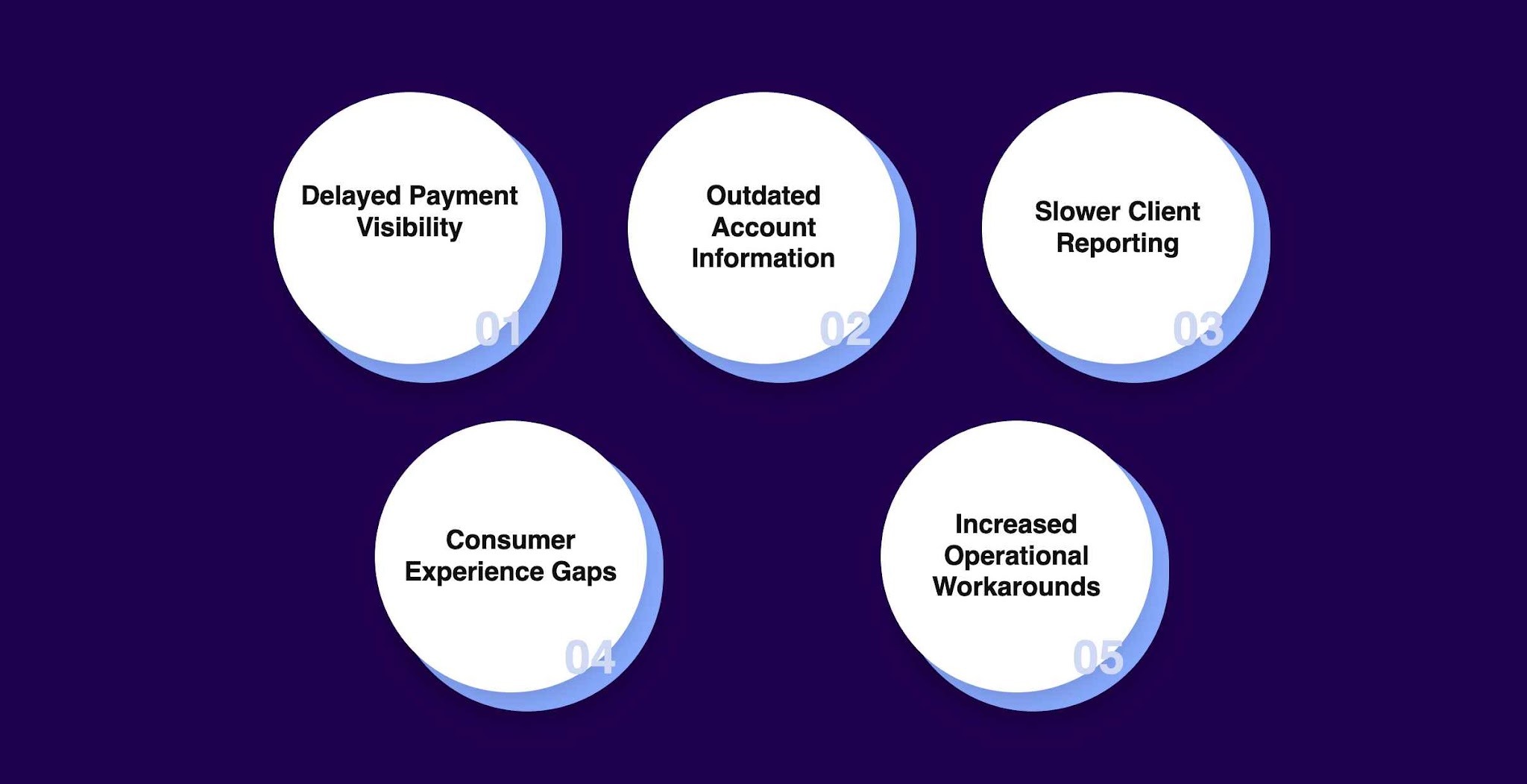
Common challenges include:
These challenges rarely appear all at once. Instead, they often surface gradually as account volumes, integrations, and transaction activity increase. In the next section, we will examine collection scenarios that illustrate how rate limiting can affect operational outcomes at different stages of the recovery process.
Suggested Read: 5 Best SOC 2 Compliant Debt Collection APIs Agencies Trust (2026 Picks)
The impact of API rate limiting is often easiest to understand through everyday collection activities. While collectors may never interact with API settings directly, rate-limit management can influence how quickly information moves between systems and how smoothly operational workflows function.
Real-world scenarios include:
These examples demonstrate that API rate limiting plays an important role in maintaining reliable payment, account, and consumer engagement workflows. In the next section, we will examine techniques that help collection organizations build a more resilient API strategy as integration volumes continue to grow.
A resilient API strategy is not just about technology. It is about ensuring account information, payment activity, and consumer data continue moving reliably between systems as operations grow. The most effective strategies focus on how information is exchanged, prioritized, and maintained across the collection lifecycle.
Top tips to build an API strategy:
Not every update needs immediate processing:
Move data when something changes:
Allow systems to push information automatically:
Prepare for temporary integration issues:
Manage data movement from a single view:
Strong API strategies help agencies maintain reliable payment, account, and consumer workflows as data volumes increase. The next step is evaluating whether your software providers offer the API capabilities needed to support long-term operational growth.
The right API capabilities can make it easier to connect systems, automate workflows, and support long-term operational growth. When evaluating debt collection software, focus on features that help maintain reliable data exchange while reducing integration complexity.
Look for the following capabilities:
Tratta supports these capabilities through its API framework and integration ecosystem. Agencies can leverage REST APIs, versioned endpoints, sandbox environments, bulk export options, scheduled push APIs, and implementation guidance to support connected collection workflows. Call us to learn more.
Collection agencies depend on a constant flow of information between clients, payment systems, consumer portals, and internal platforms. When integrations struggle to handle growing transaction volumes, the result can be delayed account updates, inefficient workflows, reduced visibility, and a poorer experience for both consumers and staff.
Tratta helps agencies connect critical collection workflows through a flexible integration ecosystem designed for scalability. REST APIs, versioned endpoints, sandbox testing environments, scheduled data exchanges, and bulk data transfer options helps agencies support more efficient information sharing across connected systems.
See how Tratta can help simplify integrations while supporting operational growth. Schedule a free demo to explore the platform in action.
API rate limiting controls the number of requests that applications or systems can send within a specified period. It helps maintain reliable performance when collection platforms exchange large volumes of account, payment, and consumer data.
Collection agencies depend on timely data synchronization between multiple systems. Effective rate limiting helps reduce delays, prevent integration bottlenecks, and maintain consistent operational workflows.
Requests may be delayed, throttled, queued, or temporarily rejected. Without proper handling, this can affect account updates, payment synchronization, reporting, and other connected workflows.
Polling requires a system to repeatedly check for updates. Webhooks automatically send updates when an event occurs, helping reduce unnecessary requests and improving data efficiency.
Key capabilities include REST API support, versioned endpoints, sandbox testing environments, bulk data transfer options, scheduled data delivery, security controls, and implementation guidance that supports reliable integrations.