Disconnected systems force agencies to rely on delayed data, manual updates, and incomplete visibility across workflows. 77% of organizations say data silos hinder real-time decision-making, making it harder to act on accurate information.
If your systems do not communicate in real time, even routine actions can become inconsistent and difficult to control. This is where API-first collection solutions are gaining attention, promising better integration and faster data flow.
In this guide, we break down what these solutions actually mean, what capabilities matter, and how to evaluate whether they fit your agency’s infrastructure.
An API (Application Programming Interface) allows systems to exchange data in real time without manual intervention or batch processing. In debt collection, this enables different platforms, such as CRMs, payment systems, and communication tools, to stay aligned and act on the same up-to-date information.
API-first collection solutions apply this approach across key workflows:
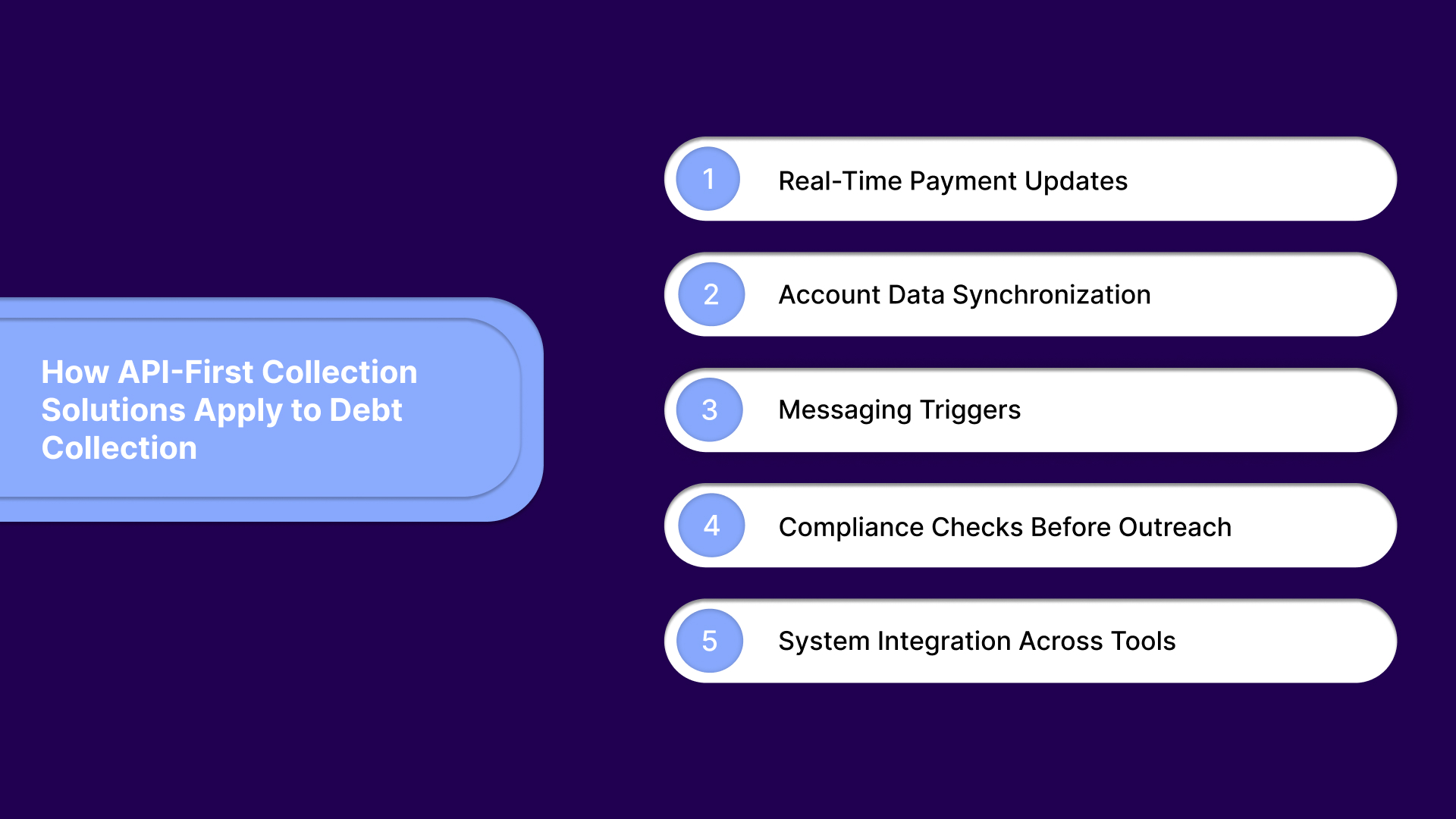
When a consumer makes a payment, APIs can instantly update account status across systems. This helps prevent outdated actions such as sending payment reminders after a balance has been resolved.
APIs allow account information to flow continuously between systems, reducing reliance on manual uploads or delayed sync cycles. This ensures that agents and automated workflows operate on consistent and current data.
APIs can trigger communication events based on real-time account activity, such as balance changes or payment confirmations. This reduces manual intervention while keeping outreach aligned with current account conditions.
APIs can validate account status, consent data, or communication eligibility before a message is sent. This ensures that outreach decisions are based on the latest available information.
APIs enable connection between CRMs, dialers, payment platforms, and messaging systems without requiring full system replacement. This allows agencies to maintain their existing stack while improving coordination.
While these use cases highlight how APIs improve connectivity and execution, their impact becomes clearer when viewed at an architectural level. In the next section, we explore the broader benefits of API-first approaches for collection agencies.
Suggested Read: API Connectivity for Debt Collection Insights
The average company loses $12.90 million annually due to poor data quality, much of which stems from disconnected systems and inconsistent data flow. For third-party collection agencies, where data is inherited and constantly changing, these issues directly impact execution, accuracy, and risk.
The benefits for third-party agencies go beyond basic integration:
Tratta supports this approach by connecting systems through APIs while aligning workflows with real-time data updates. It ensures that actions across messaging, payments, and account management remain consistent as conditions change. Schedule a free demo.
API-first collection solutions are not defined by APIs alone, but by how effectively those APIs support real-world execution. For collection agencies, the focus should be on features that ensure data is usable, workflows are consistent, and systems remain aligned under operational pressure.
These are:
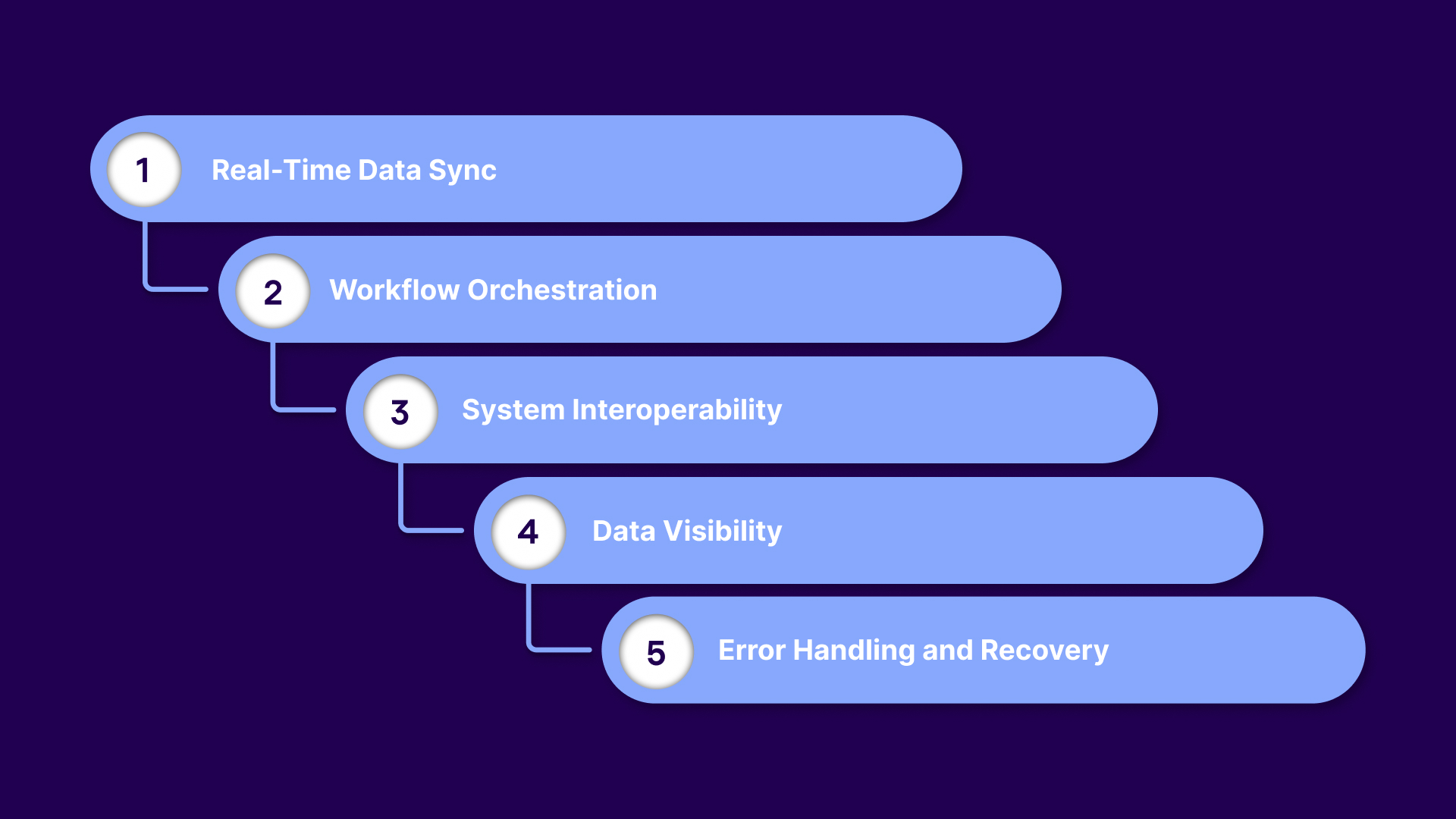
Data must move continuously across systems without delays or manual intervention. This ensures that all platforms reflect the same account status at any given moment.
To support this, look for:
APIs should not just move data, but also trigger structured actions based on defined logic. This allows agencies to reduce manual handling while maintaining control over execution.
Key capabilities include:
The solution should integrate seamlessly with existing tools without requiring full replacement. This ensures flexibility and reduces disruption to current operations.
Important considerations include:
Agencies need a clear view of how data flows and how actions are executed across systems. Without visibility, it becomes difficult to identify gaps or inconsistencies.
Look for:
API-driven systems must be able to handle failures without disrupting operations. This ensures that temporary issues do not lead to missed updates or incorrect actions.
Key features include:
While these features define what an API-first solution should offer, not every agency requires this level of integration and coordination. In the next section, we look at the specific signs that indicate when API-first collection solutions are the right fit.
Suggested Read: 8 Ways API-Based Recovery Tracking Can Improve Debt Collection in 2026
Certain operational patterns indicate when existing systems are no longer sufficient. These signs typically appear when data delays, system fragmentation, or manual processes begin to affect execution and consistency.
Tops signs include:
Tratta combines API connectivity with built-in workflows, so data movement directly drives execution instead of sitting in separate systems. It ensures that updates across payments, accounts, and communications trigger coordinated actions without manual intervention. Contact us to learn more.
The distinction between API-first and API-enabled systems determines how data flows, how workflows are executed, and how much control exists over operations.
Table showing differences:
The distinction impacts how agencies operate day to day. API-first systems enable coordination across tools, while API-enabled platforms often rely on internal processes with limited external interaction.
To evaluate which approach fits your environment, focus on:
In many cases, a well-integrated API-enabled platform can deliver the required functionality without the complexity of a fully API-first architecture. In the next section, we examine the key integration considerations that should guide your selection process.
Suggested Read: How Enhanced APIs Streamline Debt Collection Workflows
APIs can enable connectivity, but integration success depends on how easily systems exchange data and maintain consistency over time.
Before selecting a solution, consider:
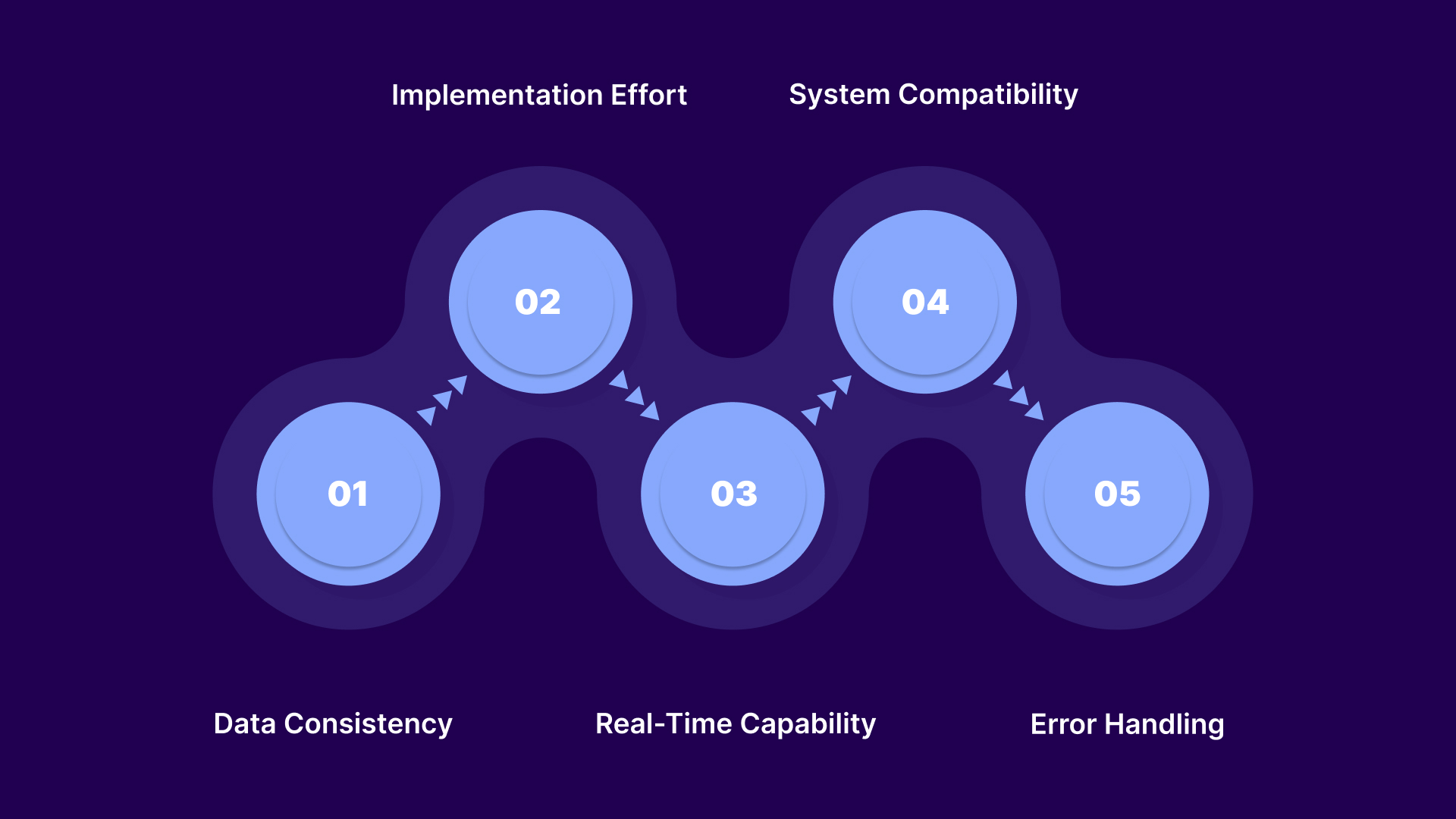
Integration decisions directly impact how effectively APIs can support real-world operations. In the next section, we explore where API-first approaches can fall short when execution layers are not properly structured.
Suggested Read: 5 Best SOC 2 Compliant Debt Collection APIs Agencies Trust (2026 Picks)
APIs enable systems to exchange data, but they do not define how that data is used. Without an execution layer to apply logic, sequence actions, and enforce consistency, API-first setups can still lead to fragmented operations and unreliable outcomes.
Common gaps include:
API-first collection solutions improve connectivity, but real value comes from the consistency with which data drives execution across systems. Agencies that combine integration with structured workflows are better positioned to scale operations without introducing inconsistency or risk.
Most agencies struggle with turning connected data into consistent, real-world execution. When systems exchange data without structured workflows, the result is still fragmented decisions, delayed actions, and operational gaps.
Tratta is not positioned as an API-first platform, but as a system that combines API connectivity with built-in workflows and centralized execution. This ensures that data movement directly translates into controlled, consistent actions across messaging, payments, and account management.
Assess whether your current setup can move from data connectivity to execution consistency. Schedule a demo to see how a structured approach can support scalable, reliable collection workflows.
Not always, but many API-first environments depend on technical resources to build, maintain, and update integrations. Agencies without dedicated development support may face delays in implementation and changes.
Typically, no. API-first solutions are designed to connect systems, not fully replace them. Agencies still need core platforms for account management, communication, and payments.
APIs enable data exchange, but they do not enforce compliance by themselves. Agencies still need structured workflows to ensure messaging and actions align with regulatory requirements.
It depends on operational complexity. Agencies with simpler workflows may not benefit as much, while those managing multiple systems and higher volumes gain more value.
If not properly managed, failures can delay updates or disrupt workflows. This is why error handling, monitoring, and fallback processes are critical in API-driven environments.