Strategies for Debt Collection

Increase Payment Rates with Omnichannel Debt Collection for Auto Finance

Published on:
June 12, 2026

Auto finance collections are becoming harder to manage as consumer behavior shifts and traditional outreach becomes less effective. At the same time, the US auto finance market is projected to grow from about $707.81 billion in 2026 to nearly $889.45 billion by 2031. This may lead to higher volumes of delinquent accounts flowing into third-party collections.

This creates pressure for agencies to improve recovery rates without adding operational strain. Disconnected communication, delayed follow-ups, and rigid processes make it difficult. Omnichannel communication enables consumers to engage through their preferred channels and complete payments with less friction.

In this article, we explore how omnichannel debt collection in auto finance improves recovery by connecting outreach, timing, and payments into a more seamless consumer experience.

Quick look:

  • Low payment rates stem from friction. Disconnected channels, poor timing, and rigid payment processes reduce consumer engagement and completion rates.
  • Omnichannel improves engagement and conversion. Coordinated communication across SMS, email, IVR, and portals increases consumer response and payment likelihood.
  • Timing and personalization drive results. Behavior-based outreach and channel preference alignment help capture consumer intent at the right moment.
  • Compliance must scale with communication. Managing consent, frequency, and audit trails across channels is essential to reduce regulatory risk.
  • Technology enables efficient scaling. Automation, self-service, and real-time insights help agencies increase recovery without adding headcount.

Why Do Payment Rates Remain Low in Auto Finance Collections?

Payment rates in auto finance collections are under pressure, even as account volumes continue to grow. According to Equifax, in 2025, 1.9% of consumers were 60+ days past due (DPD) on their auto finance obligations. The numbers represent a significant volume of delinquent accounts placed with collection agencies that require consistent, effective engagement.

The issue is not just delinquency. It is the gap between consumer intent and the ability to act. Many consumers are willing to resolve debts, but the collection experience often makes it harder than it needs to be.

The following gaps contribute to low payment rates:

  • Call-Heavy Outreach: Many consumers ignore unknown calls or are unavailable during contact attempts.
  • Channel Disconnection: Messages across SMS, email, and calls lack continuity, reducing engagement.
  • Delayed Follow-Ups: Missed timing often leads to lost payment intent.
  • Rigid Payment Flows: Limited options and complex steps create friction at the point of action.
  • Limited Data Visibility: Without real-time insight, outreach remains generic and less effective.

These challenges are systemic and rooted in collection models that were not designed for digital-first consumers. In the next section, we break down what a more connected, consumer-centric approach looks like in practice and how it differs from simply adding more channels.

Suggested Read: 7 Advanced Debt Management Solutions for Collection Agencies

What Does Omnichannel Debt Collection Mean for Auto Finance Collections?

Omnichannel communication creates a consumer-centric experience across every touchpoint. Instead of treating channels as separate outreach tools, it connects them into a single system where communication, context, and actions flow seamlessly.

The following elements define how omnichannel debt collection works in practice:

  • Connected Channels
    Communication across SMS, email, phone, chat, and IVR is available in a single system, ensuring no interaction occurs in isolation. This allows collection agencies to maintain a consistent experience across every consumer touchpoint.
  • Easy Transitions
    Consumers can move between channels without restarting the process or losing context. Whether they begin with a text and complete a payment via IVR or portal, the journey remains uninterrupted.
  • Consistent Messaging
    Every interaction reflects the same information, tone, and payment options, reducing confusion and building trust. This ensures consumers receive clear, actionable communication at every stage.
  • Behavior-Driven Outreach
    Communication adapts to consumer actions, such as missed payments or limited engagement. This enables more relevant follow-ups that improve response and recovery rates.
  • Integrated Payment Experience
    Payment options are embedded directly into communication channels, reducing steps between intent and completion. This shortens the path to resolution and increases the likelihood of payment.

Tratta brings this into a single platform by combining email, SMS, voice, and more into coordinated campaigns with channel-specific routing and behavior-driven triggers. It also enables personalized outreach with trackable messaging, real-time analytics, and built-in compliance controls, such as consent management and opt-in enforcement. Request a free demo.

How Do Omnichannel Strategies Increase Payment Rates for Collection Agencies?

Payment rates improve when communication feels relevant, timely, and easy to act on. Consumers expect more than generic reminders. Research from McKinsey & Company shows that 71% of consumers expect personalized interactions, reflecting a clear shift toward tailored, context-driven engagement.

Omnichannel strategies make this possible by combining data, automation, and connected communication into a single, structured approach. The following mechanisms directly impact payment outcomes:

  • Right-Time Engagement: Omnichannel systems use triggers and scheduling to reach consumers when they are most likely to act. This reduces missed opportunities and increases the chances of an immediate response.
  • Channel Preference Alignment: Consumers are more likely to engage when contacted via their preferred channel, whether SMS, email, or phone. Meeting them where they are increases response rates and builds familiarity over time.
  • Reduced Payment Friction: Integrated payment links, portals, and IVR options shorten the path from intent to action. When fewer steps are involved, more consumers complete the payment rather than drop off.
  • Continuous Engagement Loops: Automated reminders and follow-ups keep accounts active without overwhelming consumers. This ensures consistent touchpoints that nudge consumers toward resolution.
  • Higher Contact Efficiency: Coordinated outreach across channels increases the likelihood of reaching the right party. This improves contact rates without increasing manual effort or agent workload.

These advantages shift collections from reactive outreach to structured, data-driven engagement that consistently improves payment outcomes. In the next section, we break down the specific components that make these strategies effective and how they come together in a practical auto finance collections environment.

Suggested Read: AI's Role in Enhancing Customer Communications in Financial Services
Components of an Effective Omnichannel Communication Strategy in Auto Finance Collections

Components of an Effective Omnichannel Communication Strategy in Auto Loan Collections

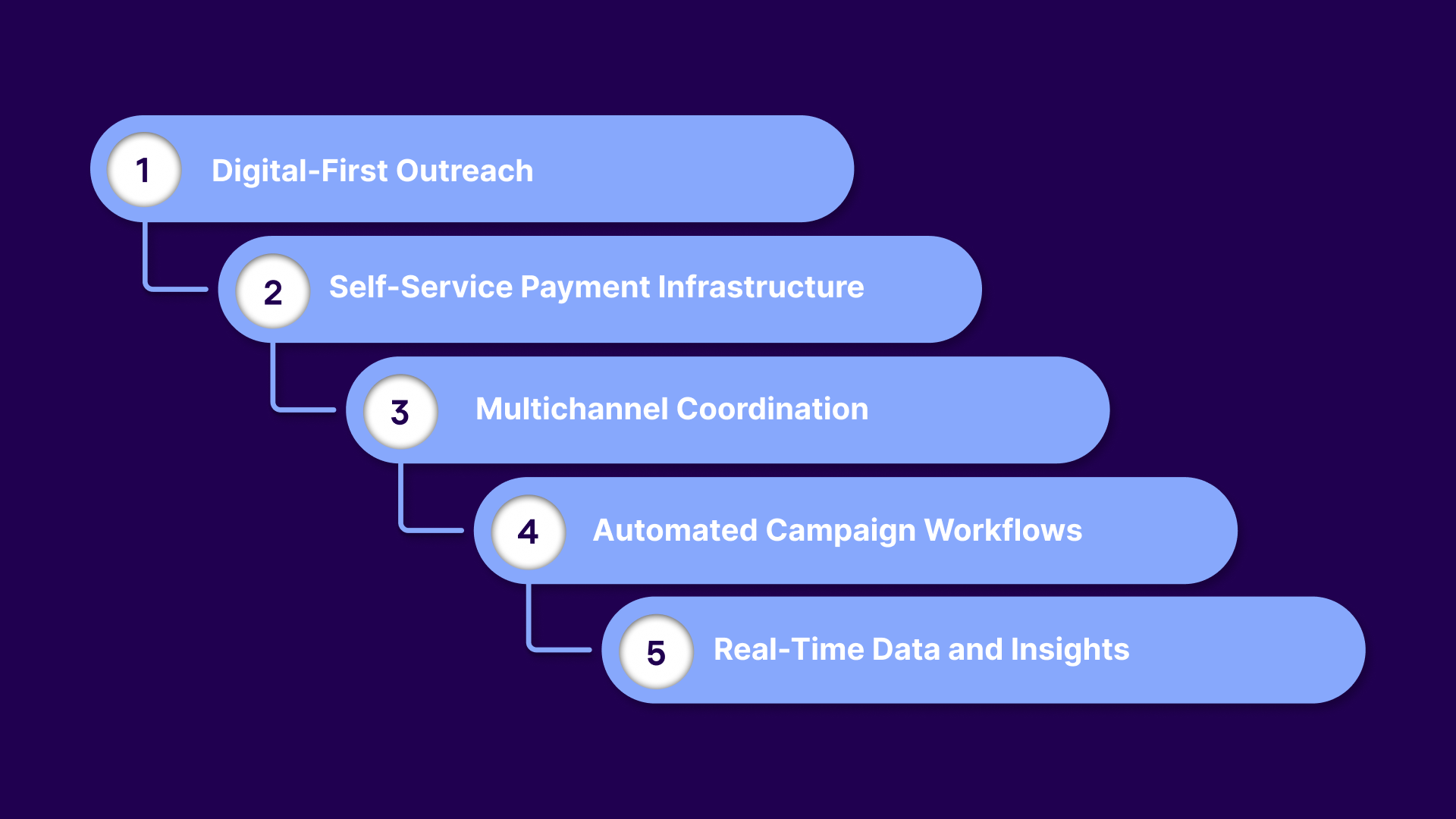
An effective omnichannel strategy is built by structuring how those channels work together to guide consumers from initial contact to completed payment. In auto finance collections, this requires a combination of communication, automation, and payment infrastructure that operates as one system.

The following components define what makes an omnichannel strategy effective in practice:

1. Digital-First Outreach

Digital channels such as SMS and email are the primary drivers of engagement in collections. They offer immediacy, higher open rates, and easier access compared to traditional call-only approaches.

These elements ensure digital outreach is consistent, scalable, and action-oriented:

  • Maintain regular communication without overwhelming consumers
  • Embed payment options directly into messages to reduce friction
  • Align tone, timing, and content across all digital channels

2. Self-Service Payment Infrastructure

Consumers are more likely to pay when they can act independently rather than rely on an agent. Self-service tools give them control over when and how they resolve their accounts.

These capabilities make self-service effective and easy to use:

  • Allow consumers to make payments anytime without waiting for assistance
  • Support full payments, partial payments, and structured plans
  • Minimize steps and complexity in the payment process

3. Multichannel Coordination

Channels must work together, not compete for attention. Coordination ensures that every interaction builds on previous engagement instead of repeating or conflicting with it.

These practices keep communication aligned across channels:

  • Maintain a single view of all consumer interactions
  • Enable movement between SMS, email, IVR, and calls
  • Avoid duplication or conflicting outreach

4. Automated Campaign Workflows

Automation ensures that outreach is timely, consistent, and scalable. It removes the need for manual follow-ups while maintaining structured engagement.

These workflow elements help maintain consistent consumer engagement:

  • Initiate communication based on behavior or account status
  • Tailor outreach for different consumer segments
  • Maintain cadence without manual intervention

5. Real-Time Data and Insights

Data is what turns omnichannel from a concept into a performance-driven system. Real-time visibility allows teams to adjust strategies based on what is working.

These insights help optimize performance and decision-making:

  • Identify which channels drive the most engagement
  • Understand consumer actions and response patterns
  • Refine outreach strategies based on real-time results

Tratta operationalizes this strategy by giving you control over how and when each channel is used. You can design channel-specific campaigns, route communication based on consumer behavior, and ensure every interaction is tracked and compliant from the start. Get in touch with us to learn more.
How Does Channel Timing Impact Consumer Payment Behavior in Debt Collection?

How Does Channel Timing Impact Payment Behavior in Debt Collection

When you reach a consumer matters as much as how you reach them. Even well-crafted messages can fail if they are delivered at the wrong moment, when the consumer is unavailable, distracted, or not ready to act. Timing plays a critical role in converting intent into actual payment.

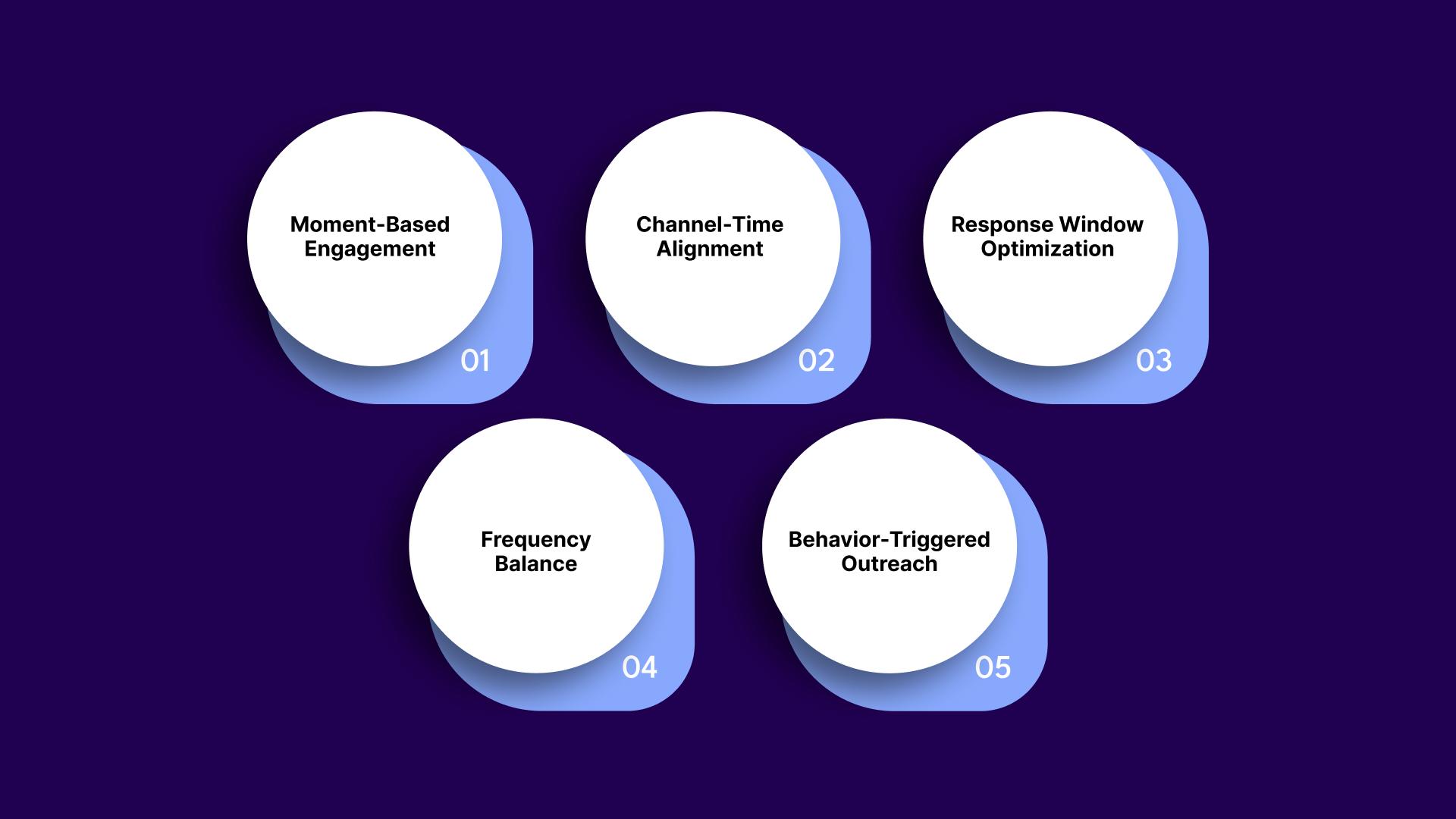
The following factors explain how timing influences payment behavior:

  • Moment-Based Engagement: Reaching consumers during high-intent windows, such as after a reminder or recent account activity, increases the likelihood of action. Poor timing often results in missed opportunities even when intent exists.
  • Channel-Time Alignment: Certain channels perform better at specific times, such as SMS during the day or email in the evening. Aligning channel usage with these patterns improves open rates and engagement.
  • Response Window Optimization: Quick follow-ups after an initial interaction help capture intent before it fades. Delays between touchpoints often reduce the chances of conversion.
  • Frequency Balance: Too many messages in a short period can lead to fatigue, while too few can reduce visibility. Finding the right cadence helps maintain engagement while staying within communication limits.
  • Behavior-Triggered Outreach: Timing outreach based on consumer actions, such as missed payments or partial engagement, makes communication more relevant. This increases both response rates and payment completion.

These timing strategies help ensure that communication reaches consumers when they are most likely to respond. In the next section, we look at how to remain compliant across channels, ensuring that outreach remains both effective and within regulatory boundaries.

Compliance Considerations in Omnichannel Debt Collection for Agencies

As communication expands across channels, compliance becomes more complex and more critical. Each touchpoint must follow strict regulatory guidelines, and inconsistencies across channels can quickly create risk.

The table below highlights key compliance areas and the statutes that govern them:

Compliance Area

Key Requirement

Relevant Statutes

Consumer Communication

Limit frequency, avoid harassment, and ensure appropriate contact timing

FDCPA, Regulation F

Consent Management

Obtain and track consent for SMS, calls, and digital communication

TCPA, E-SIGN Act

Data Privacy & Security

Protect consumer data and ensure secure handling of payment information

GLBA, PCI DSS

Disclosure Requirements

Provide clear, accurate disclosures in all communications

FDCPA,Regulation F

Recordkeeping & Audit

Maintain logs of all interactions across channels for compliance verification

CFPB Guidelines, FDCPA


Maintaining compliance across multiple channels requires structured processes and consistent oversight. Without it, even well-intentioned outreach can result in violations.

To reduce risk and maintain compliance, agencies should focus on the following:

  • Standardize communication policies across all channels
  • Track and manage consumer consent in real time
  • Maintain complete interaction histories for audit purposes
  • Enforce frequency limits and contact timing rules
  • Use templates that ensure consistent and compliant messaging

As omnichannel strategies scale, manual compliance management becomes increasingly difficult. In the next section, we explore how using the right technology can help agencies enforce compliance automatically while improving efficiency and performance.
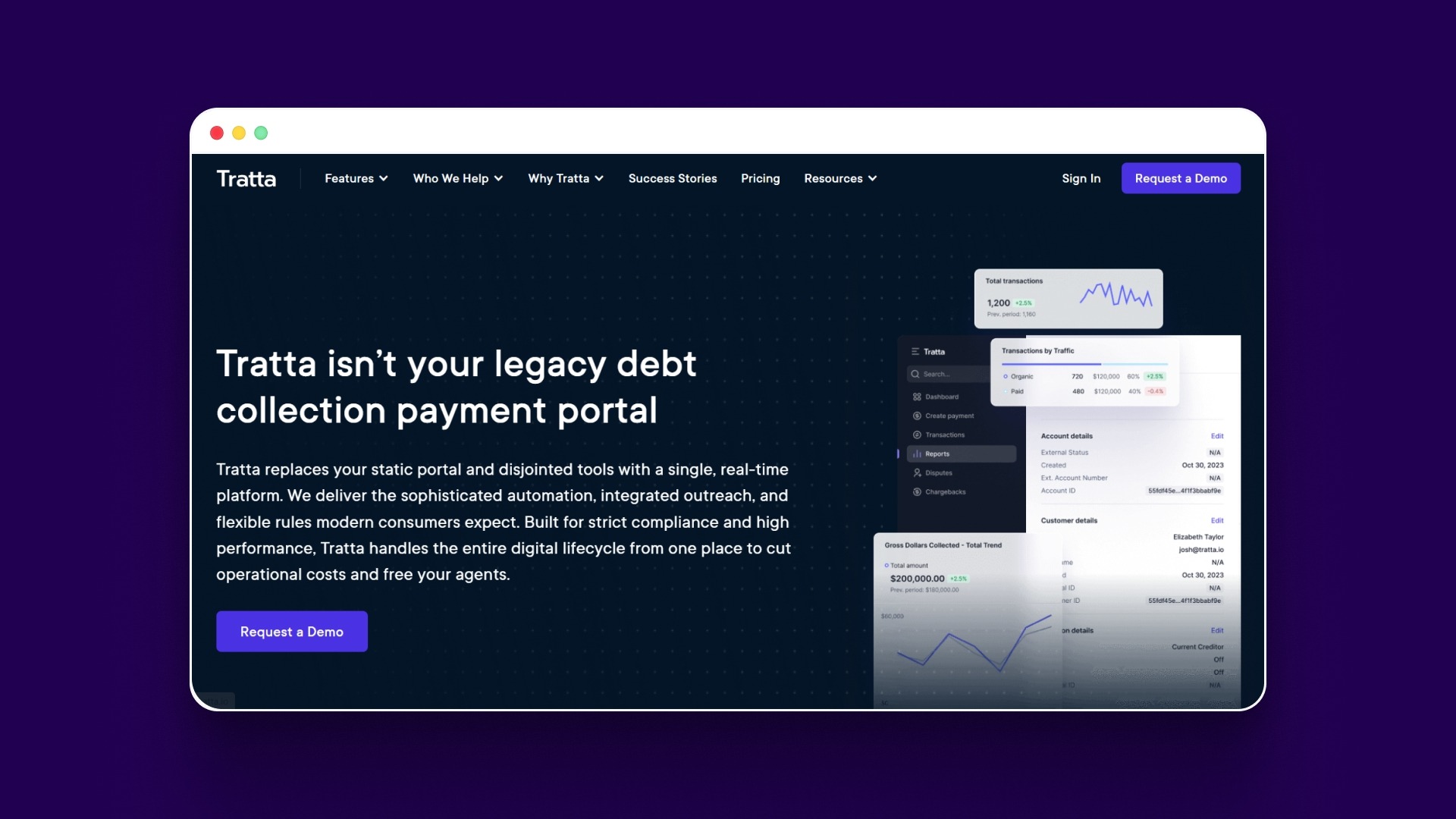
Use Tratta To Scale Auto Finance Collections Without Increasing Headcount

Use Tratta To Scale Auto Finance Collections Without Increasing Headcount

Tratta is a debt collection platform designed to help agencies automate communication, optimize payments, and improve recovery outcomes. It brings together outreach, self-service, and data into one system, allowing teams to manage higher volumes without increasing operational complexity.

Scaling collections is not about adding more agents. It is about improving how each account is handled, reducing manual effort, and enabling consumers to resolve balances independently. A structured, omnichannel approach supported by the right platform makes this possible.

The platform brings together the following features into one system:

  • Omnichannel Communications: Connects SMS, email, voice, and other channels into a coordinated system. This ensures consistent messaging and easy consumer experiences across touchpoints.
  • Consumer Self-Service Payment Portal: Allows consumers to view balances, choose payment options, and complete transactions independently. This reduces agent dependency and shortens the path from intent to payment.
  • Payments and Merchant Services: Provides secure, integrated payment processing with real-time transaction handling. This ensures faster settlements while maintaining data security and compliance.
  • Multilingual Payment IVR: Enables consumers to make payments over the phone in multiple languages without assistance from an agent. This expands accessibility and captures payments that might otherwise be missed.
  • Campaign Management: Automates outreach using segmentation and trigger-based workflows. This helps maintain consistent engagement without relying on manual follow-ups.
  • Reporting and Analytics: Offers real-time visibility into performance across channels and campaigns. This allows teams to identify trends, measure effectiveness, and optimize strategies.
  • Customization and Flexibility: Enables teams to configure workflows, messaging, and processes based on their operational needs. This ensures the system adapts to different portfolios and collection strategies.
  • Integrations: Connects with existing CRMs, accounting systems, and other tools through APIs. This eliminates data silos and supports a more efficient, connected workflow.
  • Security and Compliance: Maintains high standards for data protection and regulatory adherence. This reduces risk while ensuring all interactions and payments are handled securely.
  • Contact Center: Supports structured communication through automated and agent-assisted interactions. This allows teams to manage high volumes while maintaining consistency and control.

To see how these capabilities translate into real outcomes, it helps to look at a practical example.

InDebted: Scaling Digital Collections with Coordinated Omnichannel Engagement

InDebted needed to modernize its US operations after acquiring a portfolio that relied on manual processes and lacked digital engagement. Instead of increasing agent effort, the focus shifted to building a connected system where communication and payments worked together using Tratta.

The strategy centered on aligning outreach, timing, and self-service across channels:

  • Email and SMS were used together to replace call-heavy outreach and improve reach across consumer segments
  • A self-service payment portal allowed consumers to act immediately after receiving a message, reducing drop-off
  • Early-stage account outreach encouraged earlier engagement, improving recovery outcomes.
  • Flexible payment options gave consumers more control, increasing completion rates
  • Digital-first workflows reduced manual dependency while maintaining consistent follow-ups

With Tratta enabling this coordinated approach, InDebted saw a 1,861% increase in self-serve payments and scaled to support higher account volumes. This highlights how structured omnichannel communication, combined with self-service, can significantly improve both engagement and recovery outcomes.

Conclusion

Auto finance collections often fall short when outreach is fragmented, follow-ups are mistimed, and payment processes create unnecessary friction. As volume increases, these gaps lead to lower engagement, missed payment opportunities, and rising operational strain.

Tratta addresses these challenges by unifying communication, payments, and automation into a single system. With features like omnichannel messaging, self-service payment portals, and real-time workflows, it enables agencies to drive higher payment rates while managing collections more efficiently.

Build a collection strategy that improves outcomes without increasing complexity. Start using a more connected, automated approach to drive consistent recovery. Learn more today.

Frequently Asked Questions

1. What is the 7-7-7 rule for collections?

Under Regulation F (12 CFR 1006.14), collectors may make no more than 7 call attempts within 7 days per debt, with additional restrictions after consumer contact.

2. What happens when an auto finance account goes to collections?

When an auto finance account goes to collections, it is either assigned to a third-party agency or sold to a debt buyer. The agency then begins outreach to recover the balance through calls, digital communication, or payment arrangements based on the account terms and applicable regulations.

3. Can omnichannel strategies improve auto finance collection rates?

Yes, omnichannel strategies improve collection rates by increasing consumer engagement and reducing friction. Coordinated communication across SMS, email, and IVR makes it easier for consumers to respond and complete payments.

4. How can collection agencies improve recovery in auto finance portfolios?

Agencies can improve recovery by adopting digital-first strategies, automating outreach, and offering flexible payment options. Using omnichannel communication and self-service tools helps increase engagement and payment completion rates.

5. What are the best channels for collecting auto finance debt today?

The most effective channels include SMS, email, IVR, and self-service payment portals. These channels enable faster, more convenient engagement than traditional calls, especially when used together as part of an omnichannel strategy.

Related stories

Ready to Get Started?
Schedule a personal tour of Tratta and see our debt collection software in action.
Request a Demo