Disconnected communication channels can make third-party collections harder than they need to be. Consumers move between calls, emails, texts, and self-service portals, but many agencies still manage outreach through fragmented workflows that create friction and lower engagement.
The global omnichannel debt negotiation platforms market is projected to reach USD 6.23 billion by 2033, reflecting the growing demand for connected digital engagement. Omnichannel collections help agencies create more coordinated consumer experiences across every touchpoint.
In this article, we will explain how omnichannel collections work, their benefits for third-party agencies, and the best strategies for improving recovery performance.
Omnichannel debt collection connects communication, payment, and consumer engagement across multiple channels into one coordinated experience. Instead of treating calls, emails, texts, and self-service tools as separate workflows, omnichannel collections allow third-party agencies to manage every interaction as part of a continuous consumer journey.
The channels that typically power omnichannel collections include:
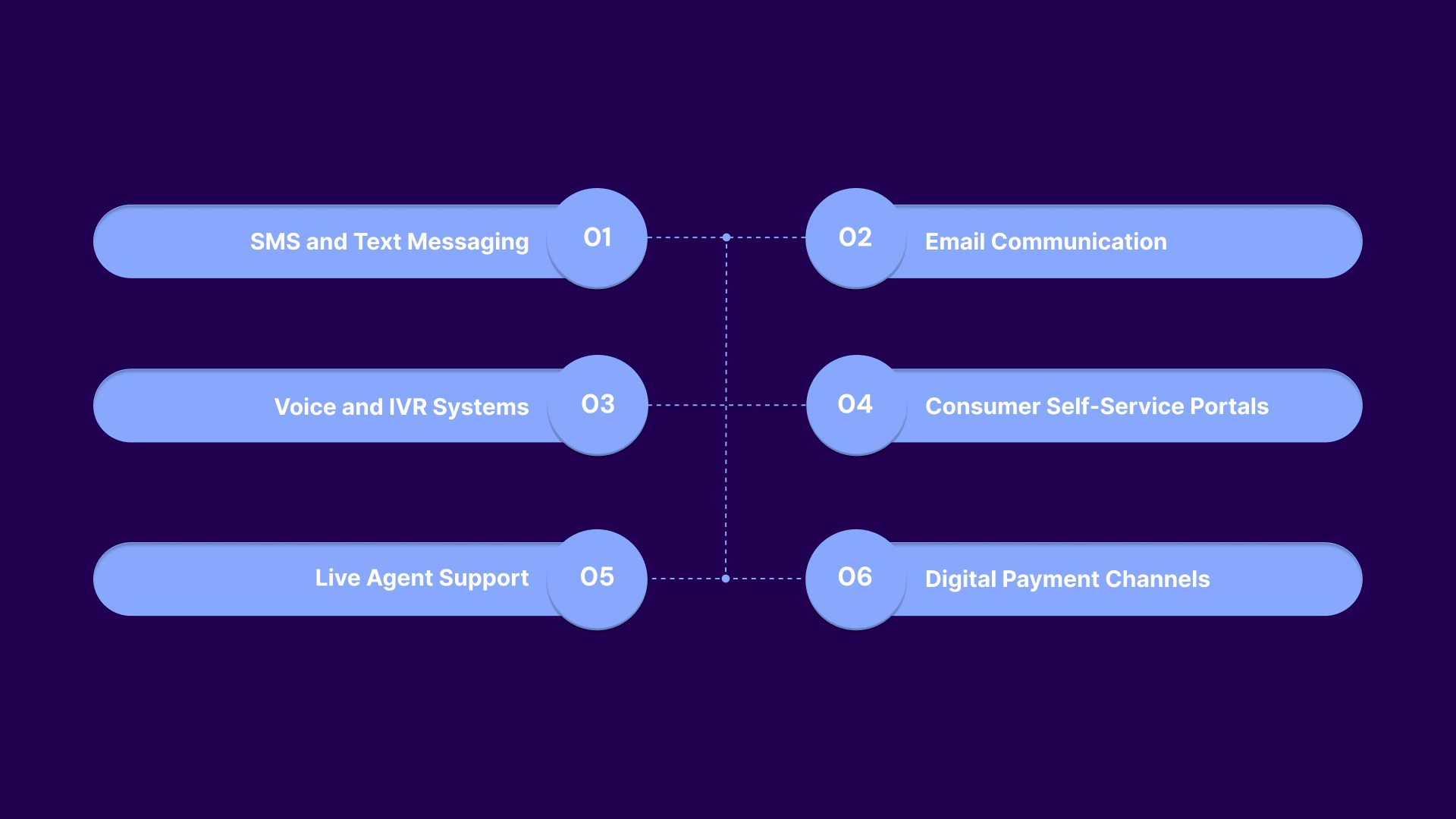
However, omnichannel collections should not be confused with multichannel communication. While both involve multiple outreach channels, the way those channels work together is very different.
Here is a quick comparison between multichannel and omnichannel collection workflows:
When agencies create connected communication experiences rather than isolated touchpoints, consumers can more easily move between channels during repayment processes.
In the next section, we will look at why omnichannel engagement often leads to higher debt recovery performance for third-party agencies.
Suggested Read: Solve Low Recovery with Omnichannel Debt Collection for Healthcare
Legacy collection communication often falls short because consumer interactions are managed through disconnected systems and isolated outreach workflows. A recent McKinsey & Company study on digital collections strategies found that customer preferences are increasingly shifting toward digital communication channels.
Here are some common communication gaps that omnichannel engagement helps address:
Tratta helps third-party agencies centralize omnichannel communication workflows across SMS, email, IVR, self-service portals, and payment experiences. Its platform supports automated outreach coordination, engagement tracking, and connected consumer communication flows from one environment. Schedule a free demo today.
Omnichannel collections do more than connect communication channels. According to Experian research, 52% of consumers who visit a digital site proceed to a payment schedule, showing how digital engagement can support repayment activity.
Here are the main benefits agencies see:
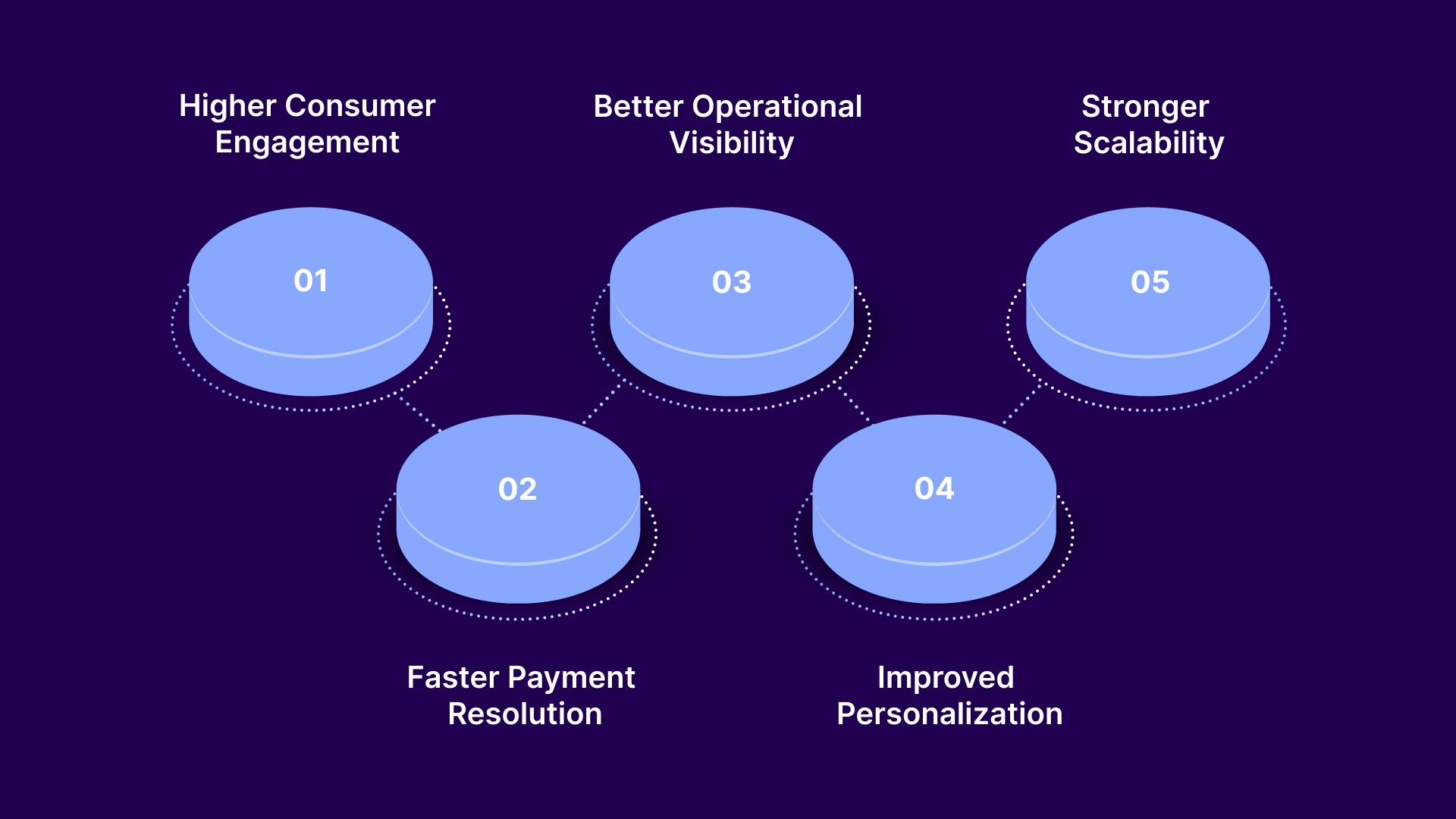
Omnichannel collections allow agencies to engage consumers through the channels they already use in their daily lives, including SMS, email, self-service portals, and digital payment links. Instead of relying on one communication method, agencies can create connected outreach journeys that make engagement more accessible across devices and platforms.
This improves engagement workflows by helping agencies:
Connected communication and payment workflows make it easier for consumers to move from outreach to repayment without unnecessary delays. Consumers can access payment links, review balances, and complete transactions directly through connected digital experiences.
This supports faster resolution workflows through:
Omnichannel systems centralize communication activity across channels, allowing agencies to track engagement behavior from one environment. This creates clearer visibility into campaign performance, consumer responses, and repayment activity throughout the recovery process.
This helps agencies improve operational oversight through:
Connected engagement data allows agencies to tailor communication based on consumer behavior, repayment history, and interaction patterns. Agencies can adjust messaging, timing, and communication channels without creating disconnected outreach experiences.
This helps support more personalized collection workflows through:
Traditional communication models can become difficult to manage as account volumes increase across channels and consumer segments. Omnichannel collections support scalable outreach by coordinating workflows, automation, and engagement tracking from centralized systems.
This helps agencies scale operations more effectively through:
Agencies still need the right implementation approach to make omnichannel collections effective. In the next section, we will look at the most important omnichannel collections strategies for third-party debt collection.
Suggested Read: 7 Advanced Debt Management Solutions for Collection Agencies
Third-party agencies need structured strategies that connect outreach, engagement tracking, repayment workflows, and consumer interactions into one coordinated process.
These are a few useful strategies to implement:
Use engagement data strategically:
Coordinate communication workflows carefully:
Optimize digital engagement journeys:
Create unified engagement visibility:
Expand repayment accessibility:
Tratta helps agencies build personalized omnichannel campaigns with smart channel routing, automated workflows, and consumer-preferred communication paths. Its platform also supports real-time campaign tracking and customizable self-service engagement experiences. Contact us to learn more.
Agencies often face challenges when connecting multiple systems, workflows, and consumer touchpoints. Without the right processes in place, disconnected tools and inconsistent engagement strategies can limit the effectiveness of omnichannel recovery operations.
Here are some of the most common implementation challenges agencies face:
You can reduce implementation challenges by building structured omnichannel workflows from the start. Some of the most effective best practices include:
As omnichannel collection workflows become more complex, you need technology that can support connected communication and engagement management at scale. In the next section, we will look at what third-party agencies should evaluate when choosing an omnichannel collections platform.
Suggested Read: How Technology Is Changing Debt Collection
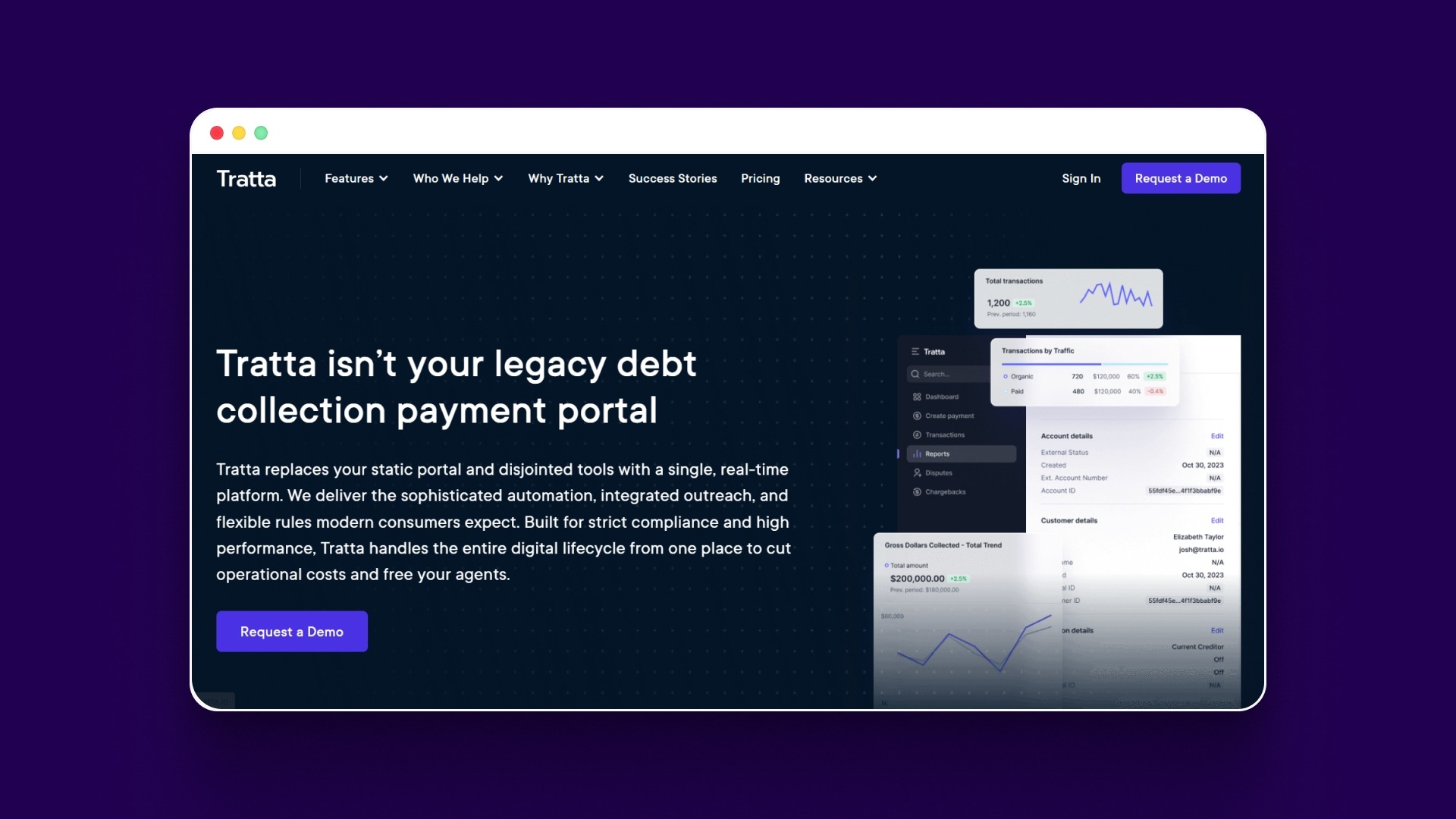
Tratta is a debt collection software platform built for third-party agencies, law firms, and recovery teams. Its platform combines omnichannel communication, consumer self-service, payments, automation, analytics, and engagement tracking into one connected environment designed to support modern recovery workflows.
Some of its strongest omnichannel features include:
These are a few other tools that support omnichannel collections by improving operational continuity across the entire repayment process:
Tratta also simplifies implementation with free onboarding and guided deployment support for agencies transitioning to modern collection workflows. Agencies can launch quickly with hands-on assistance from onboarding specialists while integrating existing systems and communication workflows.
Disconnected outreach systems can make third-party recovery operations harder to scale, monitor, and optimize over time. As digital communication preferences continue to evolve, relying on isolated collection workflows can limit long-term recovery performance.
Tratta gives agencies a more connected way to manage omnichannel collections through coordinated communication, self-service repayment experiences, campaign automation, engagement analytics, and consumer preference management from one platform. Its infrastructure helps agencies simplify outreach workflows while supporting scalable and consumer-friendly recovery operations.
Looking to modernize your omnichannel collections strategy? Schedule a free demo to explore connected communication, payment, and engagement workflows built for third-party agencies.
Omnichannel collections refer to connected communication and repayment workflows that allow third-party agencies to engage consumers across multiple channels, including SMS, email, phone, self-service portals, and payment platforms. Unlike disconnected outreach systems, omnichannel collections create a more unified consumer experience throughout the recovery process.
An example can be when a consumer receives an SMS payment reminder, opens a self-service payment portal through the link, reviews repayment options, and later speaks with an agent without restarting the conversation. The engagement history remains connected across every channel.
The four core pillars of omnichannel collections are connected communication, centralized engagement data, self-service repayment access, and coordinated workflow automation. These elements help agencies manage more consistent consumer engagement across channels.
Omnichannel payment workflows allow consumers to complete payments across multiple connected channels, including portals, SMS payment links, IVR systems, email communication, and mobile-friendly payment experiences. These workflows help agencies support more flexible repayment journeys.
Third-party agencies use omnichannel collections to improve communication continuity, streamline outreach coordination, support consumer self-service, and manage engagement activity from centralized systems. Omnichannel workflows also help agencies adapt to changing digital communication preferences.