Closer Look at Automated Dialing Systems in Collection Operations
Debt Collection & Recovery Software
Closer Look at Automated Dialing Systems in Collection Operations
Published on:
March 9, 2026
Manual dialing slows collection teams down and limits how many consumers agents can realistically reach in a day. As portfolios grow, agencies need structured ways to manage outbound calls without creating operational chaos. Automated dialing systems emerged to solve that scale problem, helping teams organize call campaigns and connect agents with consumers more efficiently.
At the same time, dialing technology is subject to strict regulatory scrutiny in the United States. The Federal Communications Commission (FCC) actively enforces rules against unlawful automated calls and has issued multi-million-dollar penalties for violations of robocall regulations.
That enforcement environment makes it important for collection agencies to understand how automated dialing systems actually work and how they fit into compliant communication strategies. This guide takes a closer look at their role in collection operations.
Brief look:
Automated dialing systems improve outreach efficiency. They remove manual dialing and help agents spend more time speaking with consumers about resolving accounts.
Different dialers serve different operational goals. Predictive, power, preview, and progressive dialers balance automation, control, and compliance needs.
Regulations shape how dialing can be used. Laws such as the TCPA, FDCPA, and CFPB Regulation F affect call frequency, consent, and contact practices.
Dialing alone does not complete the workflow. Agencies still need systems that help agents guide consumers from a conversation toward payment resolution.
Connected communication improves campaign results. When dialing works alongside coordinated messaging and consumer payment options, agencies create more opportunities for engagement and account resolution.
What Are Automated Dialing Systems?
Automated dialing systems are tools used by call centers and collection agencies to place outbound calls automatically from a list of phone numbers. Instead of agents dialing each number manually, the system initiates calls and connects answered calls to available agents. This helps teams manage larger outreach campaigns while maintaining consistent calling workflows.
Automated dialing systems typically handle several tasks behind the scenes:
Number List Management: Systems pull phone numbers from account lists, campaigns, or CRM records so agents do not dial manually.
Call Launching: The dialer automatically places outbound calls based on predefined pacing rules or agent availability.
Agent Connection: When a consumer answers, the system routes the call to an available agent.
Call Disposition Tracking: After the call ends, outcomes such as no answer, voicemail, or contact with the right party are logged.
Campaign Control: Supervisors can organize calls by account groups, time zones, or priority levels.
Not all automated dialing systems work the same way. Different dialer types are designed for different operational goals and levels of control. This is explained in the next section.
Why Should Collection Agencies Use Automated Dialing Systems?
Collection agencies operate in an environment where contact rates, agent productivity, and campaign efficiency directly affect recovery outcomes. Automated dialing systems help teams handle large call volumes without overwhelming staff or slowing operations.
Higher Contact Potential: Automated dialers place calls continuously from prepared lists, increasing the chances of reaching consumers. Agents spend more time in conversations instead of dialing numbers.
Better Agent Productivity: By removing manual dialing, agents can focus on discussing accounts and resolving balances. This improves how teams use their time during outbound campaigns.
More Consistent Outreach: Dialing systems allow agencies to run structured call campaigns across large portfolios. Managers can control pacing, scheduling, and call distribution more effectively.
Improved Campaign Management: Supervisors can organize call lists, prioritize accounts, and track outcomes in a more systematic way. This visibility helps agencies refine outreach strategies.
Scalable Operations: As account volumes grow, automated dialing systems allow agencies to expand outreach without increasing operational complexity.
Collection agencies also need a system that manages everything surrounding dialing campaigns, from account context to resolution workflows.
Tratta helps agents pick up right where the call leaves off. It gives teams a clear view of the account, the consumer’s activity, and the options available to resolve the balance. Tratta is not an outbound dialer, but it supports the rest of the process by bringing communication, payment options, and account information into one place.Schedule a free demo to see how it fits into your collections workflow.
Types of Automated Dialing Systems Used in Collections
Collection agencies choose different dialer types depending on call volume, compliance requirements, and the amount of context agents need before speaking with consumers.
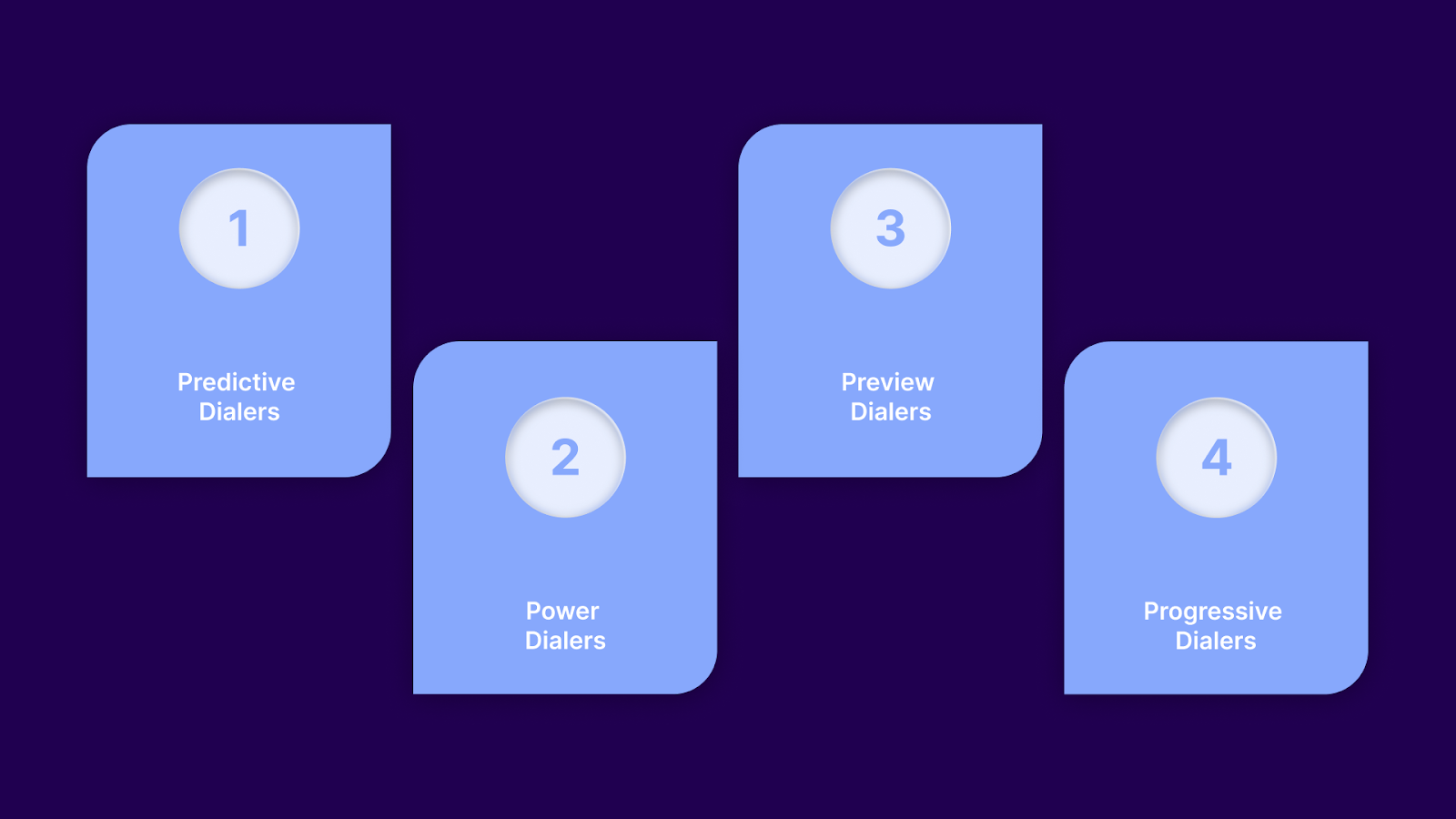
These are the more common automated dialing systems:
1. Predictive Dialers
Predictive dialers use algorithms to place multiple calls at once and connect answered calls to available agents. They are designed to maximize agent talk time and reduce idle moments between calls.
These systems typically focus on:
Increasing agent efficiency
Managing very high call volumes
Reducing downtime between conversations
Predicting when agents will become available
Filtering unanswered calls and voicemails
2. Power Dialers
Power dialers place calls one at a time for each available agent. This approach gives agencies more control over pacing while still removing the need for manual dialing.
They are commonly used for:
Structured outbound campaigns
Maintaining steady call flow
Supporting compliance-sensitive environments
Allowing agents to move quickly between accounts
Reducing manual dialing time
3. Preview Dialers
Preview dialers allow agents to review account details before a call is placed. This makes them useful when conversations require preparation or account-specific context.
They are typically used for:
Complex or sensitive accounts
Settlement discussions
High-balance collections
Legal or escalated cases
Personalized consumer outreach
4. Progressive Dialers
Progressive dialers automatically launch the next call only after an agent becomes available. This keeps the call pace controlled while still automating the dialing process.
Agencies often rely on them for:
Balanced call pacing
Reducing abandoned calls
Maintaining agent readiness
Managing mid-sized call campaigns
Supporting compliance-focused operations
Different dialer types determine how calls are placed, but the underlying features are what shape performance. Looking at the core features behind these systems helps explain why some dialing platforms work better than others.
Features That Make Dialing Systems Effective in Collections
Every dialing system does not produce the same results. The difference usually comes down to the underlying features that help agencies manage call volume, agent performance, and campaign control.
Smart Call Pacing: Dialers adjust the speed of outgoing calls based on agent availability and connection rates. This helps reduce idle time while avoiding too many abandoned calls.
List Management: Agencies can organize call lists by priority, account status, or campaign strategy. This makes it easier to focus outreach on accounts most likely to respond.
Call Routing: When a consumer answers, the system connects the call to the right available agent. Efficient routing keeps conversations moving without delays.
Disposition Tracking: After each call, agents record outcomes such as no answer, voicemail, or right-party contact. These records help teams understand which campaigns are working.
Campaign Controls: Managers can schedule calls, manage dialing windows, and control pacing across different outreach efforts. This helps agencies run structured campaigns across large portfolios.
Reporting and Analytics: Performance data shows call outcomes, agent productivity, and contact trends. Agencies use these insights to improve outreach strategies.
Tratta complements dialing systems by organizing the activity that follows each call. Agents can view account details, consumer history, and available resolution options without switching between tools. This helps teams keep momentum after contact and move conversations toward payment.Get in touch with us to learn more.
Compliance Considerations in Automated Dialing During Debt Collections
Automated dialing in collections operates under several U.S. consumer protection laws and regulatory frameworks. Agencies must ensure their outreach practices follow calling rules, consent requirements, and documentation standards while using dialing technology.
These are a few regulatory bodies to consider:
Telephone Consumer Protection Act (TCPA) TheTCPArestricts the use of automated dialing systems and prerecorded calls to consumer mobile phones without proper consent. Agencies must ensure they have the appropriate level of consent before placing automated calls. Violations can lead to statutory damages and class-action litigation.
Fair Debt Collection Practices Act (FDCPA) TheFDCPAgoverns how and when collectors can contact consumers. Agencies must avoid harassment, repeated calling intended to annoy, or contacting consumers at prohibited times. Dialing systems must be configured to respect these limitations.
Consumer Financial Protection Bureau (CFPB) Regulation F Regulation F provides detailed rules on debt collection communications, including limits on call frequency. The rule generally caps telephone attempts at seven calls within seven days for a specific debt. Agencies must track these limits carefully when using automated dialing.
State Telemarketing and Consumer Protection Laws Several states impose additional restrictions on automated calls and dialing practices. For example, Florida’sTelephone Solicitation Act allows consumers to sue for violations and recover statutory damages. Agencies operating nationally must account for varying requirements across jurisdictions.
Call Time Restrictions and Identification Requirements Federal law requires collectors to place calls only during certain hours and identify themselves clearly. Automated systems must follow these rules consistently across campaigns. Failure to do so increases regulatory risk.
Even with the right safeguards in place, automated dialing systems can still create operational challenges for collection teams. These are discussed in the next section.
Challenges Agencies Face with Automated Outbound Dialers
Collection agencies need to balance productivity with accuracy, regulatory limits, and consumer experience when running outbound campaigns.
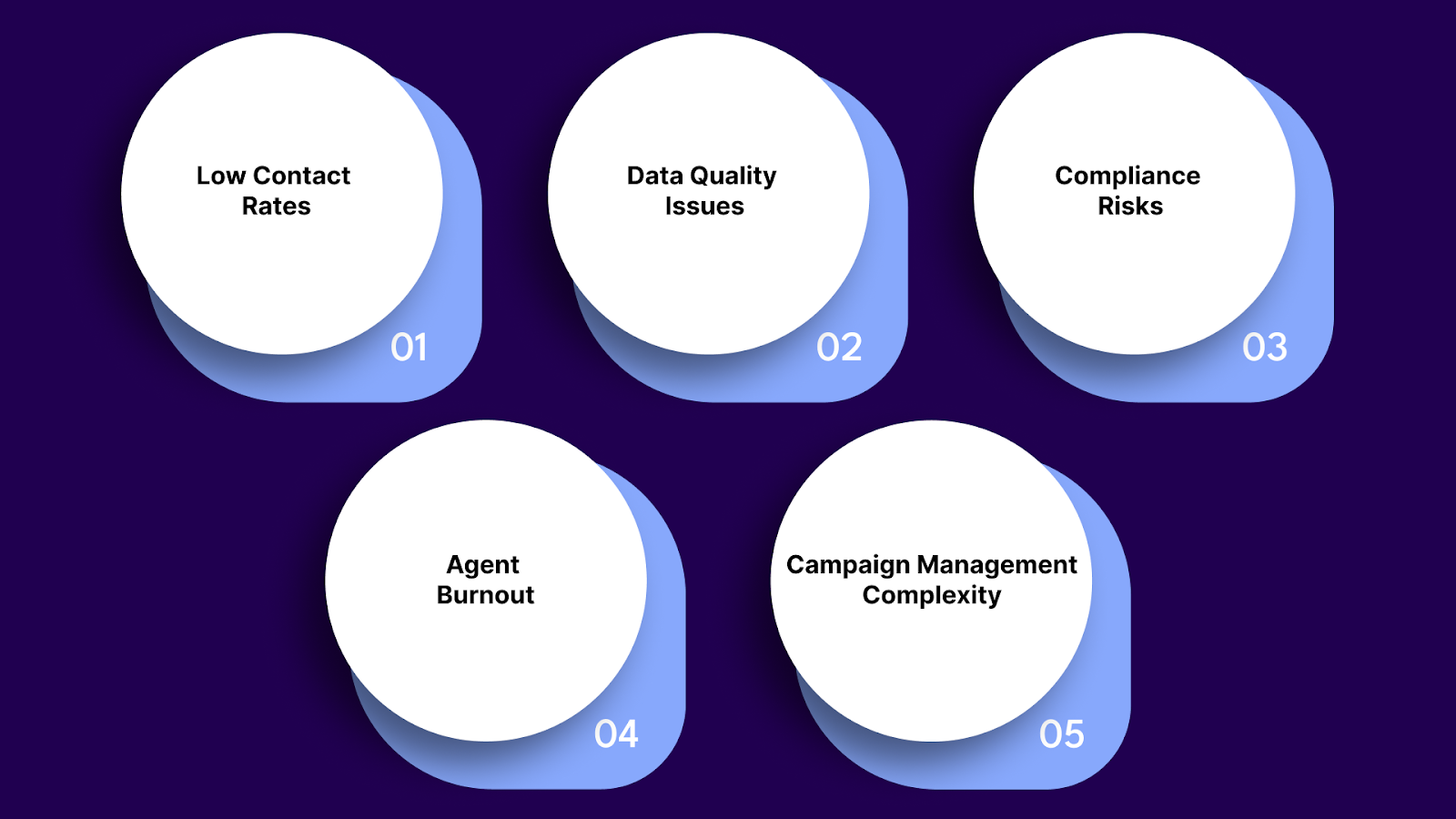
These are a few challenges agencies face:
Low Contact Rates: Even with automation, many calls go unanswered or reach voicemail. Agencies may need multiple attempts before speaking with the right person, which can slow campaign effectiveness.
Data Quality Issues: Dialers rely heavily on accurate phone numbers and account information. Outdated or incorrect data can lead to wasted calls and frustrated consumers.
Compliance Risks: Automated dialing must align withTCPA, FDCPA, and Regulation F rules. Without proper controls, agencies risk exceeding call limits or contacting consumers in restricted ways.
Agent Burnout: Continuous dialing can create pressure on agents handling high call volumes. Without balanced pacing, teams may experience fatigue and reduced performance.
Campaign Management Complexity: Large dialing campaigns require careful planning around time zones, call windows, and account priorities. Poor coordination can reduce the effectiveness of outreach efforts.
Understanding these challenges also helps agencies recognize situations where outbound call campaigns may not be the best approach. The next section explains such situations.
When Should an Agency Refrain from Outbound Call Campaigns
Outbound dialing can be effective, but it is not always the right strategy for every account or situation. In some cases, continuing to call may reduce efficiency, create compliance risk, or push consumers away from engaging.
You should stop outbound campaigns in the following situations:
Recent Contact Attempts Reached Limits: Regulations such as CFPB Regulation F place limits on how often collectors can call about a specific debt. Once those limits are reached, additional calls can create legal exposure.
Consumer Requested Limited Contact: If a consumer asks to stop calls or requests communication through another channel, agencies must respect that preference. Continuing to dial may violate consumer protection rules.
Disputed or Verified Accounts: When a consumer disputes a debt or verification is pending, aggressive outreach can complicate the process. Agencies often pause call campaigns until the matter is resolved.
Incorrect or Unverified Contact Data: If phone numbers are outdated or questionable, repeated dialing wastes agent time and lowers campaign performance.
Low Engagement Accounts: Some consumers respond better to digital channels such as email, text, or self-service portals. Continuing to call may not improve engagement.
Situations like these highlight the importance of combining phone outreach with other communication channels rather than relying on dialing alone. The next section explores how connected technology can assist collection campaigns.
Improve Outreach with Connected Collection Systems
Relying only on outbound calls can limit how collection agencies connect with consumers. Successful outreach strategies combine calling with digital channels so consumers can respond in the way that works best for them. When communication tools and account data live in different systems, agents lose time switching between platforms and tracking interactions.
Trattais a digital collections platform designed to bring those pieces together. It helps agencies manage communication, consumer engagement, and payment activity within one environment so teams can guide consumers toward resolution after contact is made.
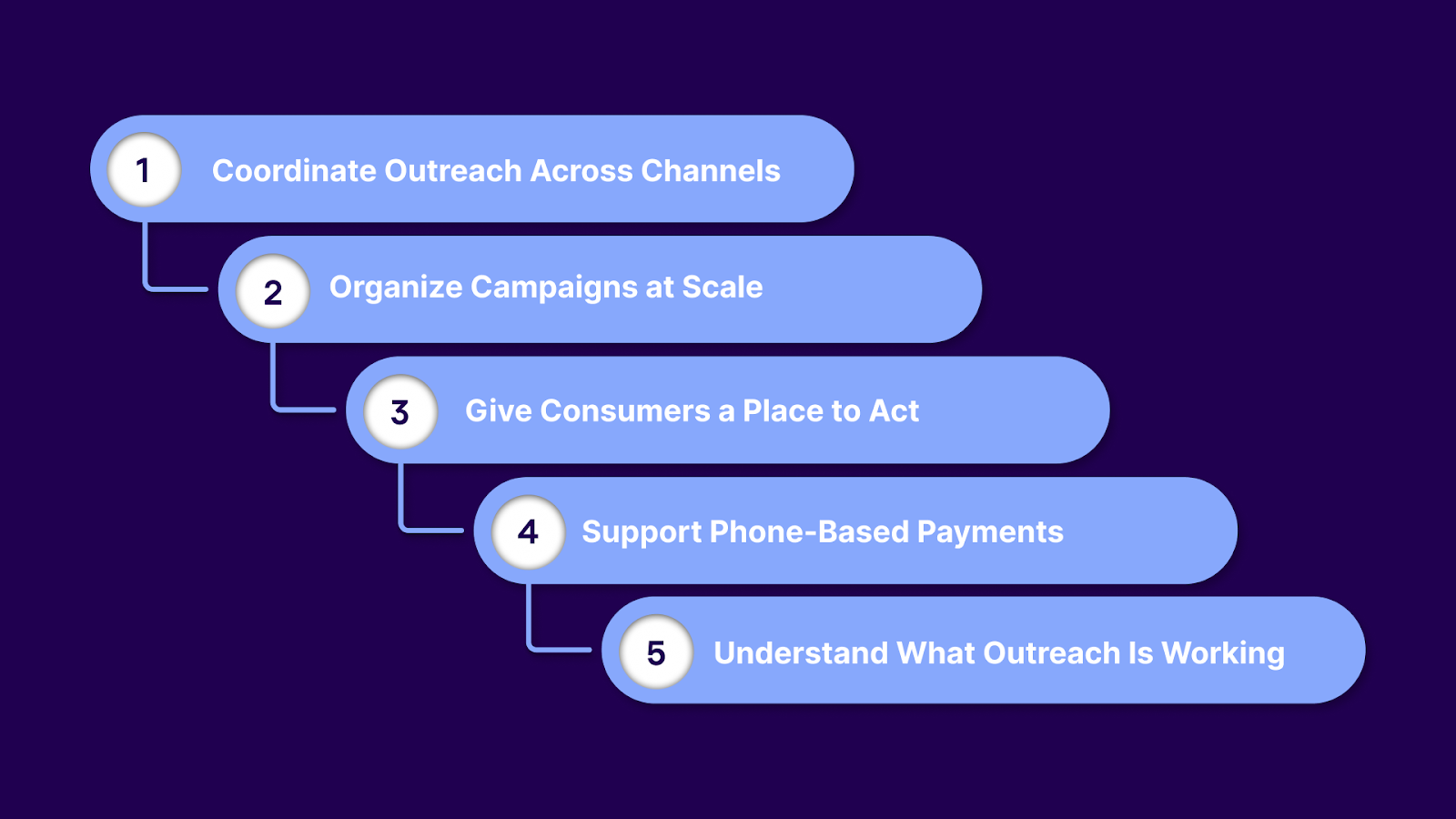
This is how Tratta can help:
Coordinate Outreach Across Channels Collection agencies rarely rely on calls alone anymore. Withomnichannel communications, teams can follow up through SMS and email when consumers do not answer the phone. This keeps outreach consistent and reduces missed opportunities.
Organize Campaigns at Scale Managing large portfolios requires structure. Trattacampaign management helps agencies segment accounts, schedule communication, and track engagement across outreach efforts. This makes dialing campaigns easier to manage alongside other contact strategies.
Give Consumers a Place to Act Conversations often stall when consumers need time to review their options. Theconsumer self-service payment portal provides a secure space where they can check balances and resolve accounts after speaking with an agent.
Support Phone-Based Payments Some consumers prefer resolving accounts without waiting for a live agent.Multilingual payment IVR allows callers to navigate payment options and complete transactions through an automated phone experience.
Understand What Outreach Is Working Agencies need visibility into what drives engagement and payments. Withreporting and analytics, teams can evaluate campaign performance and refine outreach strategies based on actual results.
When these features work alongside outbound dialing, agencies gain more ways to move conversations forward. Instead of calls ending without resolution, Tratta helps create a clearer path from contact to payment.
Conclusion
Automated dialing systems can significantly improve how collection agencies manage outbound outreach. But dialing alone does not guarantee results. Poor data, compliance missteps, and disconnected workflows can turn even the most advanced dialer into an operational headache.
That is where having the right supporting systems matters.Tratta helps agencies organize communication, consumer activity, and payment options so teams can act quickly once contact happens. Instead of letting successful calls stall, agents have a clearer path to guide consumers toward resolution.
If your dialing campaigns are generating conversations but not enough outcomes, the surrounding workflow may be the missing piece.Schedule a free call today to understand how you can turn outreach into action.
Frequently Asked Questions
1. What is an automated dialing system?
An automated dialing system is software that places outbound calls from a list of phone numbers automatically. Collection agencies use it to increase agent talk time and manage large outreach campaigns more efficiently.
2. What is an automated calling system?
An automated calling system places calls without manual dialing and can route answered calls to agents or deliver recorded messages. In collections, it helps teams handle high call volumes across large account portfolios.
3. Can a phone automatically redial numbers?
Basic devices may offer redial features, but collection agencies typically rely on dialing platforms instead. These systems manage call lists, pacing, and routing so agents can focus on conversations rather than dialing.
4. What are the different types of auto dialers?
Common types include predictive dialers, power dialers, preview dialers, and progressive dialers. Each balances automation, compliance control, and agent preparation differently depending on campaign needs.
5. Are automated dialers legal for debt collection?
They are legal when used in compliance with laws such as the TCPA, FDCPA, and CFPB Regulation F. Agencies must obtain proper consent and follow restrictions on call frequency and timing.
Note: This information is not legal advice. Tratta recommends that you consult with your legal counsel to make sure that you comply with applicable laws in connection with your collection and outreach activities.
Sign up for our monthly newsletter
Debt collection insights that keep you compliant and competitive.
Thank you! Your submission has been received!
Oops! Something went wrong while submitting the form.