Late payments, disconnected systems, and limited self-service options can slow down recoveries for third-party collection agencies. At the same time, consumer expectations around digital payments continue to rise.
Nacha reported that total ACH Network volume reached 8.9 billion payments worth $24.10 trillion in Q1 2026 alone. Agencies now need platforms that simplify payments without creating additional compliance or operational burdens.
In this article, we explore the best online payment solutions for third-party collection agencies and compare the features that matter most for modern recovery operations.
An online payment solution is a digital platform that helps collection agencies accept, manage, process, and track consumer payments across multiple channels. Unlike basic payment gateways, these platforms often include self-service portals, payment plans, compliance controls, reporting tools, and omnichannel payment capabilities.
Some of the biggest benefits include:
The benefits of digital payment platforms depend heavily on the features they provide. In the next section, we look at the features agencies should prioritize when evaluating the best online payment solution for debt collection.
Suggested Read: Understanding Integrated Receivables Solutions and Payment Processing
Third-party collection agencies need more than a basic electronic payment processing service. As digital payment expectations continue to grow, agencies should focus on platforms that support both operational efficiency and long-term scalability.
Key features to prioritize include:
Tratta offers agencies a collections-focused platform that combines digital payments, consumer self-service, workflow automation, and operational visibility within a single environment. The platform supports ACH and card payments, omnichannel engagement, and configurable workflows. Schedule a free demo today.
Choosing the right payment platform can affect everything from consumer engagement to operational efficiency and compliance management. To build this list, we evaluated platforms based on their payment capabilities, collections industry alignment, self-service functionality, and workflow flexibility.
The comparison table below highlights how these platforms differ:
Now, we break down each platform in more detail, including the features that make them suitable for third-party collection agencies.
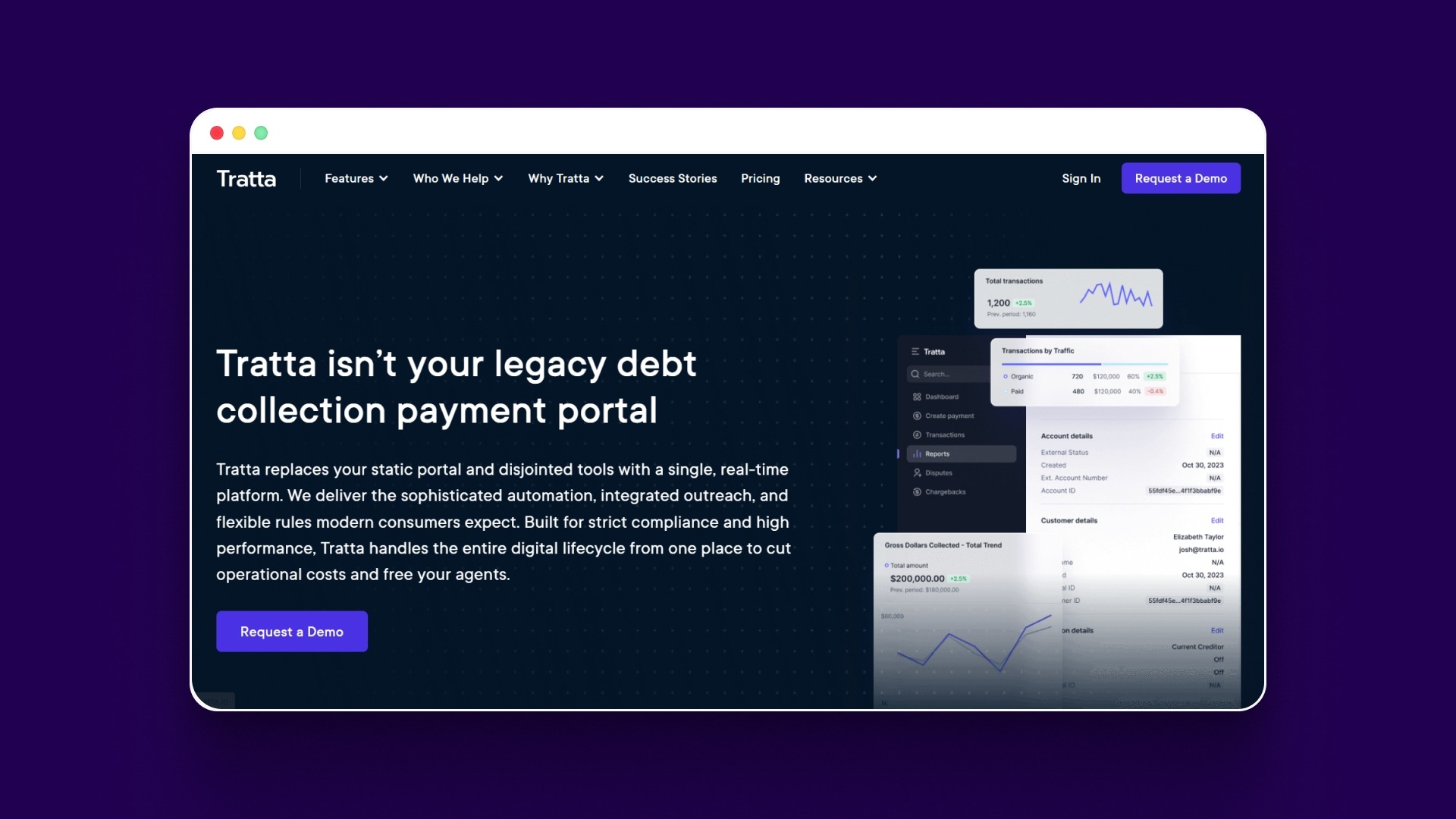
Tratta is a debt collection software and payment platform designed for collection agencies, collection law firms, debt buyers, and creditors. The platform combines digital payments, consumer engagement, workflow automation, and operational reporting to help agencies manage modern recovery operations within a centralized environment.
Useful features include:
Tratta supports ACH and card payments through centralized digital payment workflows designed for collections operations. Agencies can manage payment processing, payment plans, and consumer transactions without relying on disconnected payment systems.
The platform allows consumers to review balances, manage payment arrangements, and complete payments independently through self-service portals. This can reduce agent workload while improving payment accessibility and convenience.
Tratta connects payment experiences across SMS, email, IVR, and web channels to support more flexible consumer engagement. Agencies can maintain consistent communication workflows across multiple digital touchpoints.
Automated reminders, scheduled communications, and configurable workflows help agencies reduce repetitive administrative tasks. The automation tools also support more consistent payment engagement processes.
Centralized dashboards provide visibility into payment activity, consumer engagement, and operational performance. Agencies can monitor trends, track payment activity, and improve reporting oversight from a single environment.
Additional features include:
Limitations:
Agencies with highly customized legacy systems may require additional implementation support during integration. Some advanced workflow customizations may also involve configuration planning depending on operational complexity.
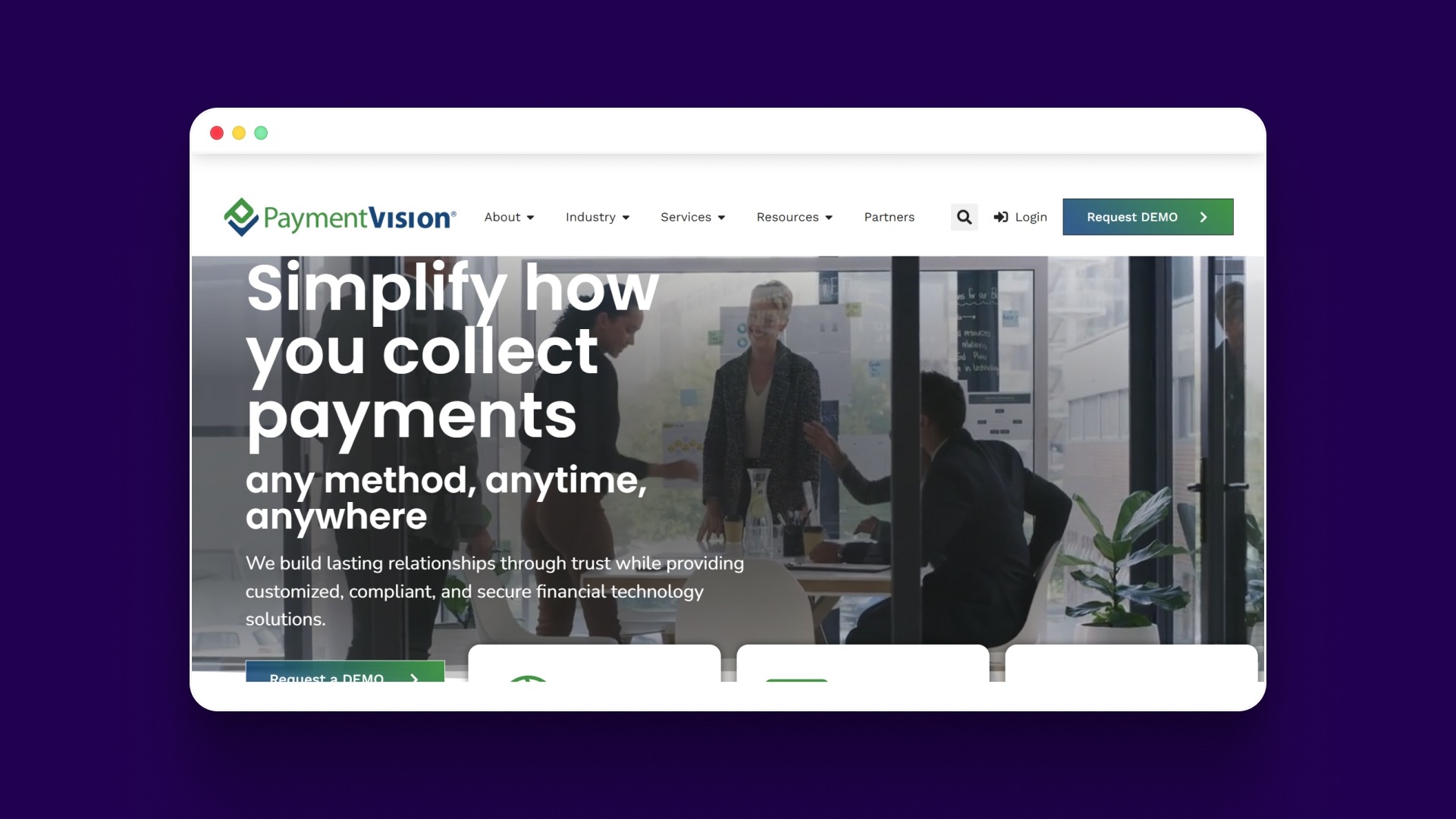
PaymentVision is a payment processing platform designed for collection agencies, receivables management companies, debt settlement firms, and collection law firms. The platform focuses on digital payment acceptance, payment automation, and flexible consumer payment experiences for recovery operations.
Useful features include:
Additional features include:
Limitations:
The platform is primarily focused on payment infrastructure rather than broader collections workflow management. Agencies looking for deeper omnichannel engagement or operational automation may require additional collections software integrations.
Suggested Read: Tratta vs. PaymentVision
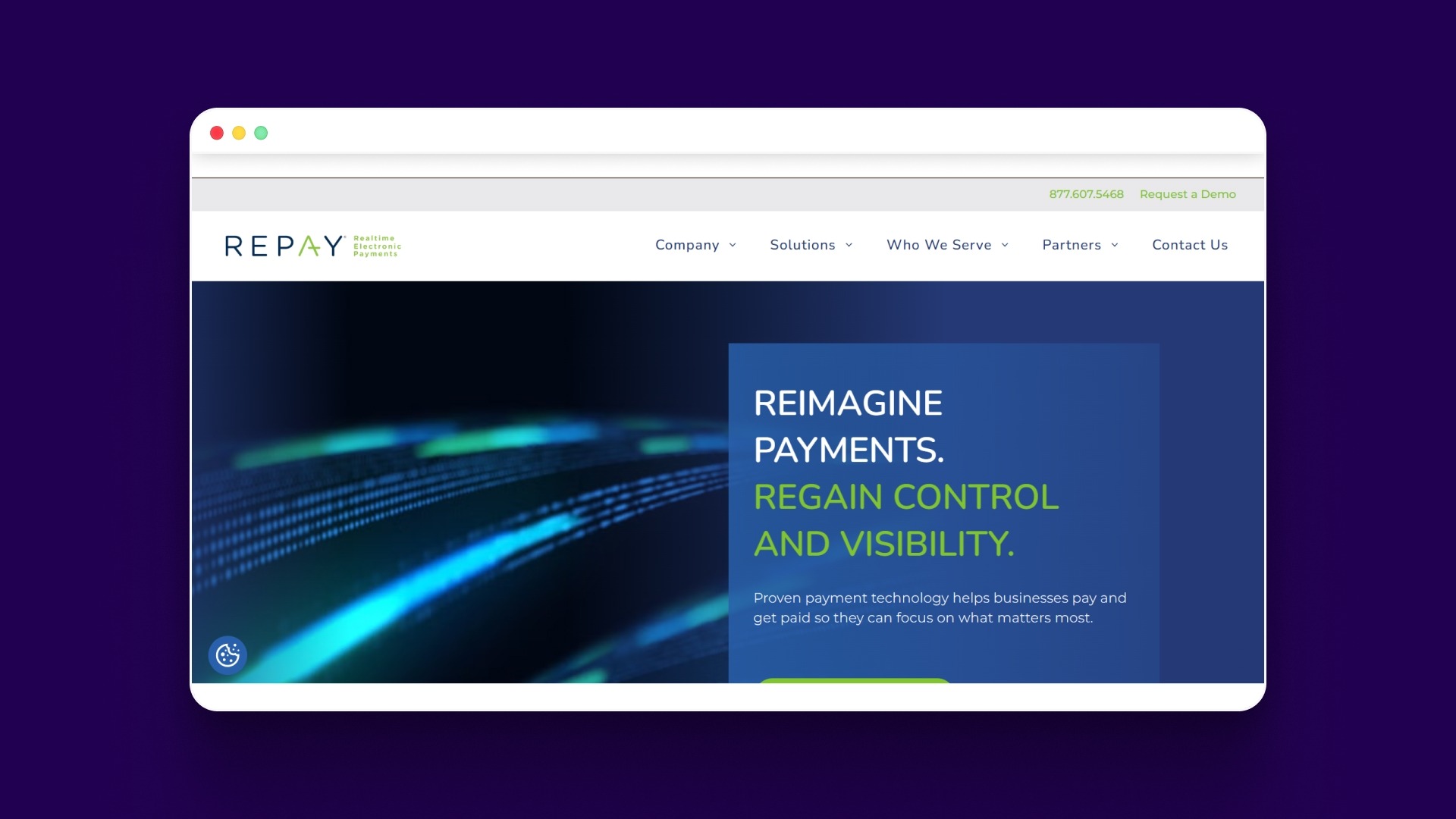
REPAY is a payment technology platform that provides integrated payment solutions for receivables management companies, collection agencies, debt buyers, and financial service organizations. The platform focuses on omnichannel payment acceptance, digital payment accessibility, and payment processing for recovery operations.
Useful features include:
Additional features include:
Limitations:
Some advanced workflow capabilities may depend on third-party integrations or existing ARM software environments. Agencies looking for broader collections engagement functionality may also require separate communication and workflow management tools.
Suggested Read: Tratta vs REPAY Payment Solutions
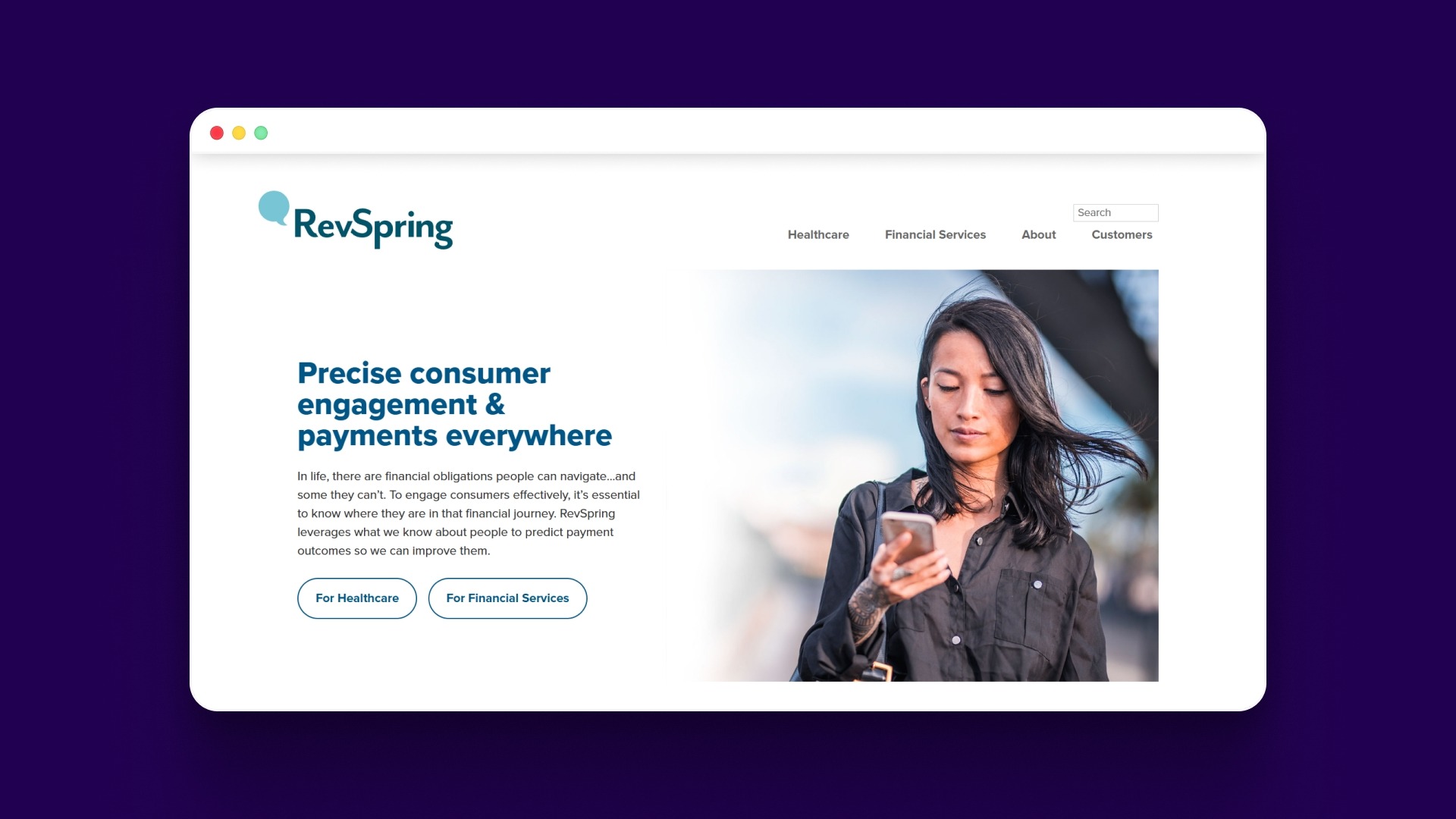
RevSpring is a payment engagement and billing communications platform used across receivables management, healthcare, and financial services organizations. The platform focuses on digital payments, consumer communication workflows, and self-service payment accessibility across billing and debt recovery operations.
Useful features include:
Additional features include:
Limitations:
RevSpring’s broader focus across healthcare, billing, and financial communications may create a steeper learning curve for agencies seeking collections-specific payment workflows. Some features may also be more engagement-oriented than operationally focused for complex third-party recovery environments.
Suggested Read: Tratta vs RevSpring
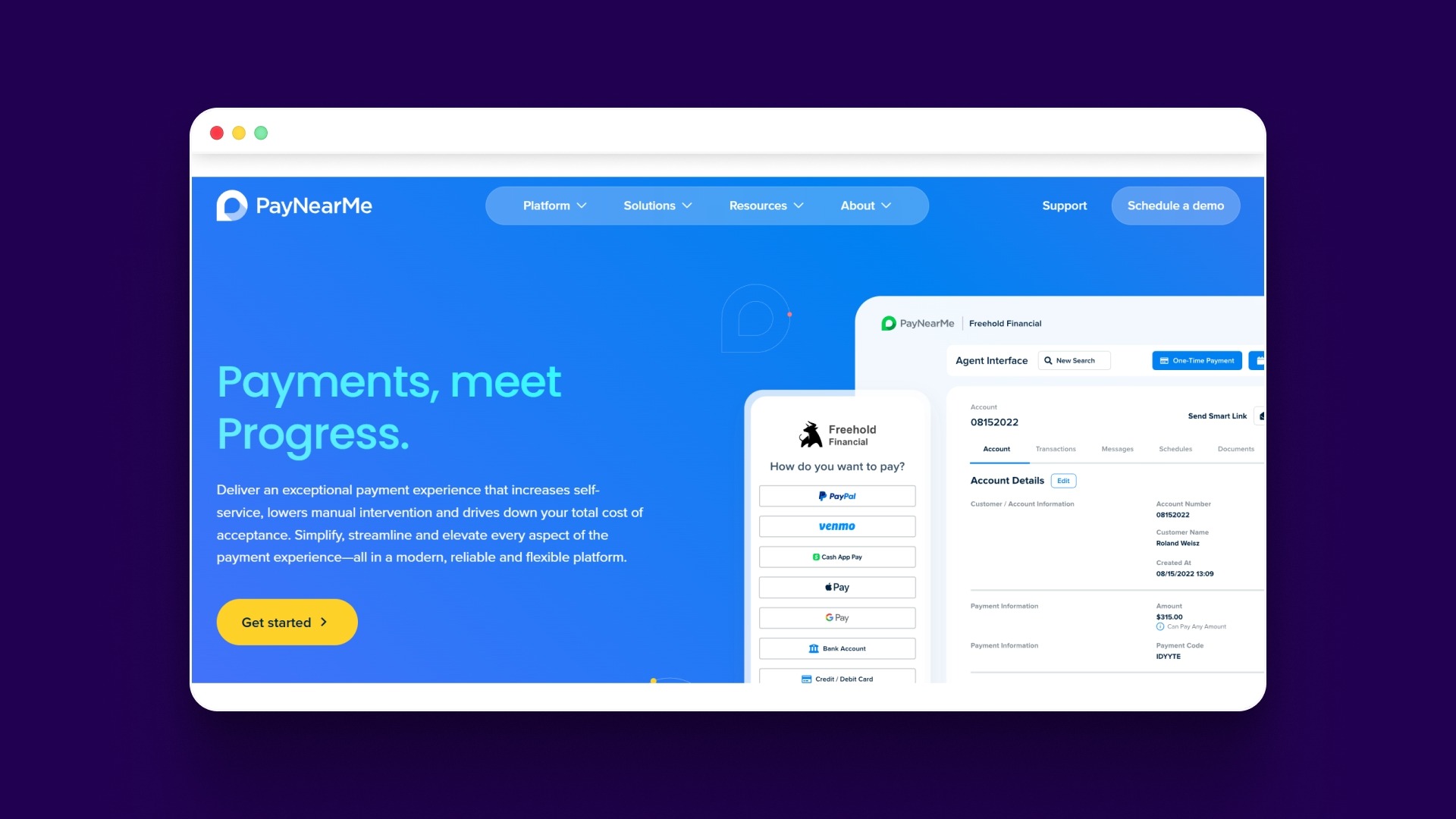
PayNearMe is a payment platform that helps businesses manage digital and cash-based payment experiences across multiple channels. The platform supports online payments, mobile payments, cash payments, and self-service payment workflows used in collections, lending, and financial service operations.
Useful features include:
Additional features include:
Limitations:
Some collections-focused workflow capabilities may require integration with separate ARM or collections management platforms. Agencies that do not need cash payment options may also find certain features less relevant to their operations.
Many agencies still rely on generic payment processors that were not designed for the operational, compliance, and consumer-engagement challenges of third-party collections.
In the next section, we examine why collection agencies increasingly need specialized online payment solutions rather than standard consumer platforms like PayPal or similar tools.
Many third-party collection agencies start with general-purpose payment processors because they are easy to adopt and widely recognized. Platforms like PayPal, Stripe, and Square work well for standard ecommerce transactions, but debt recovery operations often require more specialized payment workflows.
Collections-focused platforms such as Tratta are designed around the realities of receivables management and third-party collections.
Table showing differences:
The differences become more noticeable as payment volumes grow and consumer engagement expectations increase. Specialized platforms can help agencies create more flexible payment experiences while improving operational consistency across recovery workflows.
In the next section, we look at the mistakes agencies should avoid when evaluating online payment solutions for third-party collections.
Suggested Read: Effortless Payment Collection with Automated Software Solutions
Agencies should look beyond basic transaction processing and evaluate how well a platform supports long-term collections workflows.
Some common mistakes to avoid include:
Limited payment methods can reduce accessibility for consumers who prefer ACH, mobile payments, IVR, or cash payment options.
Weak reporting visibility can make it harder to track payment activity and manage operational oversight.
Consumers increasingly expect digital self-service payment experiences that do not require agent assistance.
Disconnected payment systems can create operational silos and increase administrative workloads.
Lower processing fees may not offset the operational inefficiencies caused by limited workflow capabilities.
Agencies should evaluate how platforms support payment security, authorization management, and audit visibility.
Agencies handling large payment volumes or multi-channel recovery operations may benefit from more specialized collections-focused platforms. Evaluating scalability, payment accessibility, reporting visibility, and integration flexibility can help agencies choose a platform that supports long-term recovery goals.
Without the right payment infrastructure, third-party collection agencies can face delayed payments, fragmented workflows, limited payment visibility, and growing operational inefficiencies. Debt recovery requires an online payment solution that can simplify consumer payments, improve operational visibility, and support more efficient recovery workflows.
Tratta helps agencies centralize digital payments, consumer engagement, workflow automation, and reporting within a collections-focused environment. With self-service payment experiences, omnichannel communication tools, configurable workflows, and integrated payment capabilities, the platform is designed to support more streamlined and scalable debt recovery operations.
Looking to modernize payment operations for your collection agency? Contact us to learn more.
Online payment solutions are platforms that help accept, process, manage, and track digital payments across channels like web portals, mobile devices, ACH transfers, cards, IVR systems, and text-to-pay workflows. For third-party collection agencies, these platforms often include self-service payment tools, reporting, and repayment management capabilities.
The best online payment system depends on an agency’s operational needs, payment volume, and consumer engagement requirements. Platforms like Tratta, PaymentVision, and REPAY are commonly used in third-party debt recovery because they support collections-focused payment workflows.
Collections-focused payment platforms support repayment plans, self-service payment experiences, omnichannel engagement, and operational reporting that generic payment processors may not provide. They can also help agencies improve payment accessibility and reduce manual payment management tasks.
Yes. Many online payment solutions used in debt recovery support ACH payments, installment plans, recurring payment schedules, and automated repayment arrangements. These features can help agencies simplify long-term repayment workflows.
Agencies should look for payment flexibility, self-service payment experiences, reporting visibility, integration support, and collections-focused workflows. Features like payment reminders, omnichannel payment support, and centralized reconciliation tools can also improve operational efficiency.