Consumer payment behavior is changing faster than many recovery operations can adapt to. Growing pressure on organizations helps modernize customer-facing payment infrastructure and align operations with changing consumer expectations. In fact, 27% of customer-experience budgets are now directed toward Customer Relationship Management (CRM) to improve digital intelligence and customer-data technologies.
Consumers increasingly expect digital-first payment options, self-service accessibility, and frictionless interactions across the payment journey. However, many agencies are still managing recovery workflows across disconnected systems, creating operational friction as consumer expectations continue to grow.
In this article, you can find out which financial industry trends are required to follow in 2026 and how to do it without any hurdles.
Many consumers now expect mobile-friendly payment options, faster account access, self-service flexibility, and communication experiences that feel convenient instead of time-consuming. These expectations are influencing how consumers respond during debt recovery interactions as well.
Several financial industry trends are beginning to reshape consumer debt recovery operations, particularly around:
As consumer expectations continue changing, recovery operations become harder to manage when payments, communications, reporting, and consumer interactions are spread across disconnected systems.
Read More: Banking Chatbots Transforming Financial Services And Customer Experiences
Many collection agencies are working to modernize payment workflows as consumer payment behavior becomes more digital and self-directed. At the same time, recovery teams are still dealing with slower payment coordination, disconnected reporting activity, and communication tracking gaps across recovery workflows.
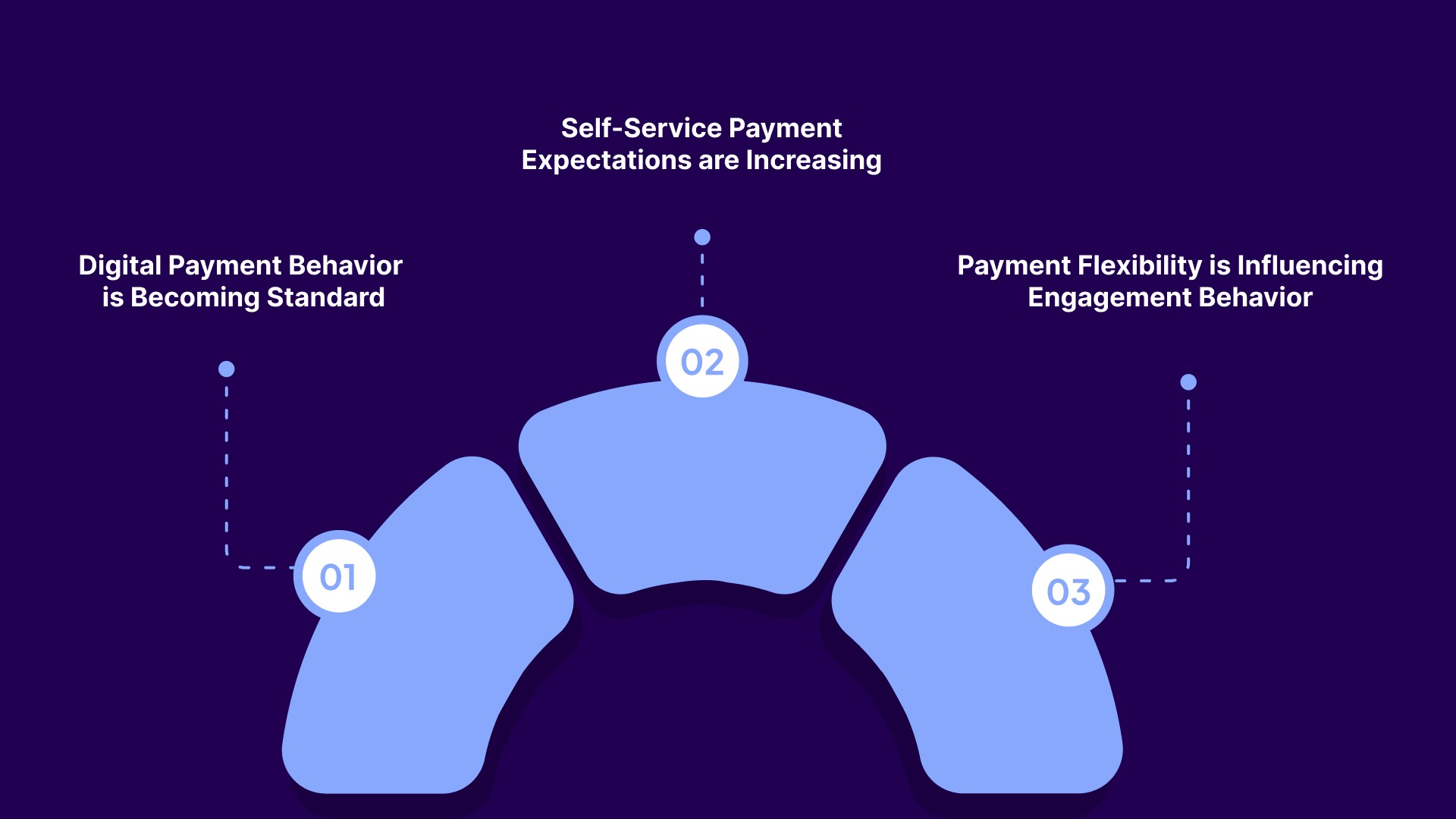
Payment behavior that became common across retail banking and digital commerce is now influencing debt recovery interactions as well. Many consumers prefer reviewing balances digitally and completing payment activity without unnecessary delays or manual friction.
For collection agencies, this shift creates operational pressure in several areas:
When payment workflows feel fragmented or difficult to handle, agencies may experience lower payment engagement, inconsistent communication and coordination, and more manual follow-up work across recovery operations.
Consumers are becoming more comfortable managing financial activity independently, including reviewing balances and completing payments without direct agent assistance. Self-service behavior is increasingly tied to convenience, flexibility, and the ability to manage payment activity on personal schedules.
This shift affects collection agencies operationally because it changes how recovery teams allocate time and manage account coordination.
Operational areas being affected include:
As self-service adoption increases, agencies are under more pressure to support payment accessibility without creating additional workflow complexity behind the scenes.
76% of consumers abandoned a transaction because their preferred payment method was unavailable. Consumers increasingly expect payment workflows that feel manageable and accessible.
Payment timing preferences, digital accessibility, and flexible payment experiences can all influence whether consumers engage with recovery workflows consistently. This creates several workflow implications for collection agencies:
Suggested Read: Big Data Applications and Benefits in Finance
Consumer communication behavior is becoming less predictable across recovery operations. Many consumers are more selective about how and when they engage, especially as digital communication habits continue evolving across financial services.
For collection agencies, this creates growing pressure around engagement consistency, workflow coordination, and communication visibility.
Response behavior across traditional communication channels has become increasingly inconsistent. Consumers often ignore unfamiliar calls, delay responses, or move between multiple communication channels throughout the payment journey. This creates communication friction that can increase agent workload and make recovery coordination harder to manage operationally.
As engagement patterns shift, agencies may experience:
Consumers increasingly expect communication experiences that feel convenient. Multilingual accessibility, easier payment support, and faster inbound payment assistance are becoming more important across recovery workflows.
This is one reason many agencies are prioritizing:
Agencies managing diverse consumer populations are increasingly evaluating how Tratta’s inbound Multilingual Payment IVR systems can support more accessible inbound payment experiences across recovery workflows.
When communication records, payment interactions, and account activity exist across disconnected systems, operational visibility becomes harder to maintain. Teams may struggle with incomplete records, coordination gaps, and inconsistent workflow tracking.
As recovery operations scale, centralized communication visibility becomes increasingly important for maintaining operational consistency across consumer-facing workflows.
As recovery workflows become more digital and operationally connected, reporting expectations are changing as well. Collection agencies are no longer only tracking payment outcomes. Many teams now need clearer visibility into communication activity, payment engagement patterns, workflow coordination, and operational performance across multiple recovery stages.
Operational visibility becomes harder to maintain when payment activity, communication records, and reporting workflows exist across separate systems. Recovery teams may struggle to track consumer interactions consistently, monitor payment progress in real time, or identify workflow bottlenecks quickly enough to respond operationally.
This creates visibility challenges across areas such as:
As recovery operations scale, agencies often need clearer oversight into how workflows are performing across teams, payment channels, and consumer interactions.
Reporting expectations are increasingly tied to operational coordination instead of isolated performance metrics alone. Recovery teams are placing greater focus on centralized oversight, workflow reporting alignment, and operational consistency across payment and communication activity.
As agencies manage growing account volumes and more complex consumer interactions, centralized workflow visibility is becoming more connected to operational control, reporting consistency, and recovery workflow scalability.
Read Also: Big Data Applications and Benefits in Finance
Workflow fragmentation often creates operational drag long before agencies recognize it as a scalability issue. Payment records may exist in one system, communication activity in another, and reporting visibility somewhere else entirely. As account volumes increase, teams spend more time reconciling information manually across disconnected workflows.
This creates operational challenges such as:
Fragmented workflows also place growing pressure on recovery teams managing day-to-day operational activity. Agents often need to switch between systems, manually coordinate account updates, and track communication activity across disconnected environments.
This can create:
In many environments, the challenge is no longer handling more accounts. It is maintaining operational consistency while fragmented workflows continue expanding behind the scenes.
As recovery operations become more digitally connected, many collection agencies are reassessing whether existing workflows can support changing consumer expectations and growing operational complexity. Payment coordination, communication visibility, reporting consistency, and workflow scalability increasingly depend on how connected recovery systems are behind the scenes.
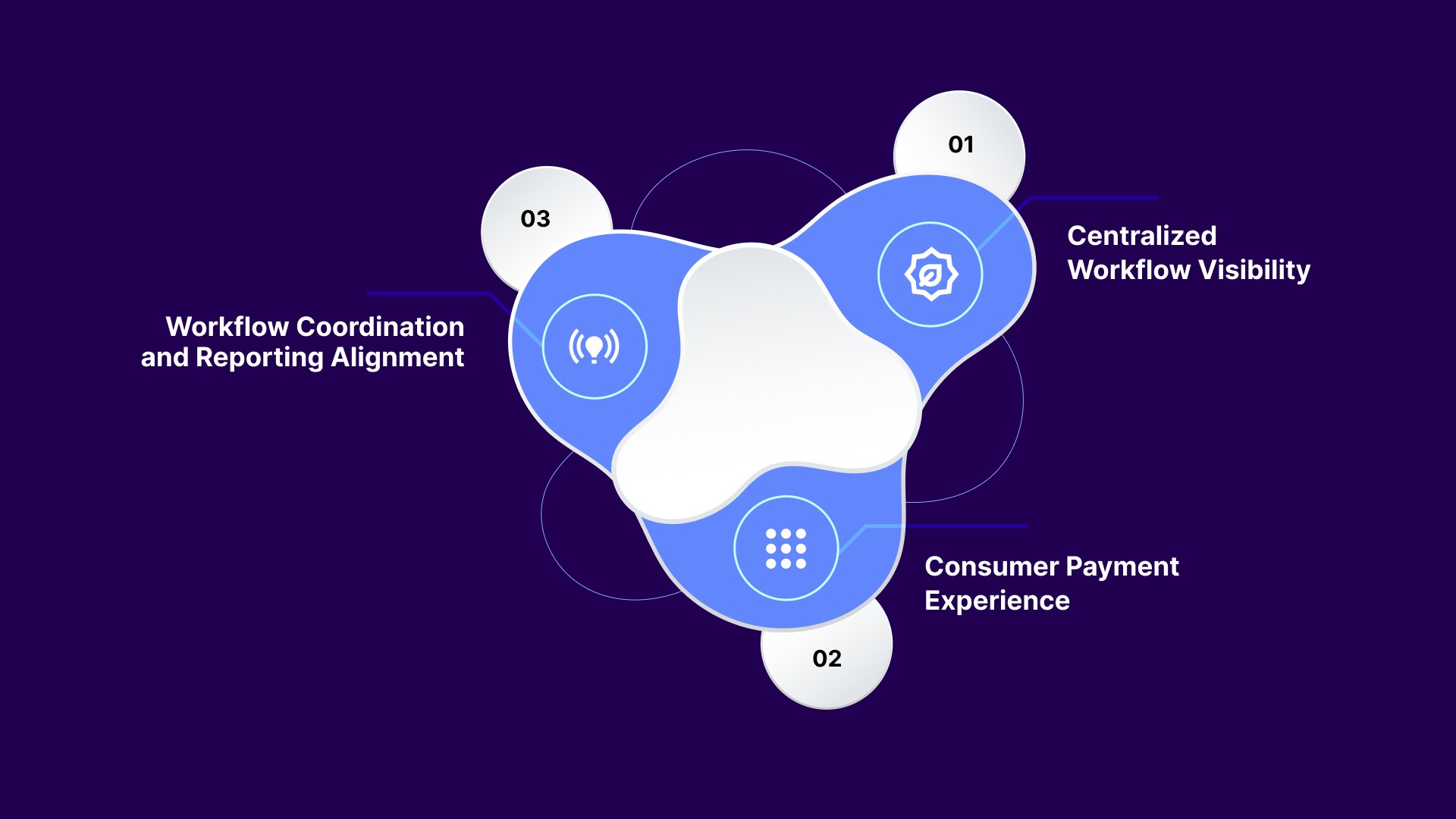
Modern recovery operations often require more than isolated payment tools or separate communication platforms. Agencies are placing greater focus on operational visibility, workflow coordination, and consumer-facing payment accessibility when evaluating recovery infrastructure moving forward.
Many collection agencies are prioritizing centralized operational visibility as payment workflows, communication activity, and reporting requirements become harder to manage across disconnected systems. Limited visibility across consumer interactions can create operational blind spots that affect workflow coordination, reporting consistency, and recovery oversight.
Operational evaluation increasingly includes questions such as:
Platforms like Tratta are designed to help recovery teams centralize payments, communications, reporting, and workflow visibility within one operational environment. This can support clearer oversight as recovery workflows become more digitally connected.
Consumer payment experience is becoming more connected to operational efficiency across recovery operations. Many consumers now expect payment accessibility, self-service flexibility, and mobile-friendly payment experiences throughout the recovery process.
Recovery platforms that support Consumer Self-service workflows and Embedded Payment experiences may help agencies reduce operational friction while supporting more accessible payment interactions across digital channels.
Workflow coordination becomes more difficult when payment activity, communication records, and operational reporting are managed separately. Recovery teams often need clearer reporting alignment across workflows to maintain operational consistency as account volumes grow.
Agencies evaluating recovery infrastructure are increasingly prioritizing:
Platforms like Tratta’s Reporting & Analytics solution are designed to help recovery teams monitor operational activity, reporting visibility, and workflow performance within a more centralized environment. This can support clearer operational oversight as recovery workflows scale across multiple communication and payment channels.
Financial industry trends are increasingly shaping how collection agencies manage recovery operations day to day. Changing consumer expectations around payment accessibility, self-service convenience, and communication experiences are creating more pressure on agencies to improve operational visibility across recovery processes.
Still managing payments, communications, and reporting across disconnected systems? Connect with Tratta in a Free Demo to centralize recovery workflows, improve operational coordination, and maintain clearer visibility across consumer-facing recovery operations.
Modern recovery operations often involve multiple payment channels, communication touchpoints, and reporting environments. When payment workflows are managed across disconnected systems, recovery teams may spend additional time verifying account activity, coordinating updates, and reconciling payment records manually.
Payment coordination often becomes harder when agencies manage account activity, payment processing, communication records, and reporting workflows across separate systems. As recovery volumes increase, teams may spend more time reconciling updates manually and tracking consumer activity across disconnected environments.
As account volumes grow, agencies may experience more workflow coordination pressure, reporting inconsistencies, manual tracking requirements, and communication management complexity, especially when operational systems are not centrally connected.
Many consumers now prefer handling payment activity independently through digital channels. Self-service workflows can help agencies support payment accessibility while reducing reliance on repetitive agent-assisted coordination tasks.
Digital payment behavior is influencing how consumers engage during recovery interactions. Agencies may need workflows that support faster payment access, clearer payment visibility, and more flexible payment coordination across digital environments.