Debt collection is one of the most closely regulated areas of financial services in the United States. In 2024, the Consumer Financial Protection Bureau (CFPB) received about 207,800 debt collection complaints, making it one of the most reported categories in consumer finance.
For collection agencies, law firms, and credit issuers, this creates a clear operational challenge. Every communication, payment update, and account action must be documented and traceable to demonstrate compliance.
Consider a common scenario. A regulator or creditor client requests records showing communication history, consent logs, and payment activity for several accounts. If those records are spread across call logs, spreadsheets, and messaging tools, preparing documentation becomes time-consuming and risky.
This is why many organizations are moving toward an audit-ready debt collection system. These platforms automatically capture account activity, maintain detailed audit trails, and help teams demonstrate compliance during regulatory reviews or disputes.
This blog explains what an audit-ready debt collection system is and how collection agencies and credit teams can choose the right platform for compliant operations.
An audit-ready debt collection system is a technology platform that records and organizes collection activity so organizations can demonstrate compliance during audits, disputes, or regulatory reviews.
Rather than relying on manual notes or separate tools, the system automatically logs every account action, including communication attempts, payment activity, account updates, settlement agreements, and dispute records.
At the core of the system is an audit trail — a chronological record of system activity that shows what happened, when it occurred, and who performed the action.
In debt collection workflows, these records typically include:
By maintaining a complete history of account activity, organizations can quickly provide documentation when regulators, creditors, or legal teams request it.
Modern collections platforms bring communication tracking, compliance monitoring, and reporting into one system. This allows collection agencies, law firms, and credit issuers to maintain accurate records while managing large account portfolios.
Also Read: 12 Best Debt Management Platforms for Agencies and Creditors in 2026
To understand why these systems are becoming essential, it's important to examine the regulatory pressures collection organizations face today.
Debt collection is one of the most regulated areas of financial services. Collection agencies, law firms, and credit issuers must maintain clear records of consumer communications, payment activity, and dispute handling.
Several regulations govern these practices in the United States, including the Fair Debt Collection Practices Act (FDCPA), the Telephone Consumer Protection Act (TCPA), and CFPB Regulation F. These laws define how collectors communicate with consumers and what documentation must be maintained. For example, Regulation F limits collectors to seven call attempts within seven days for a specific debt, making accurate communication tracking essential.
An audit-ready debt collection system helps organizations meet these requirements by automatically documenting account activity and maintaining structured communication records.
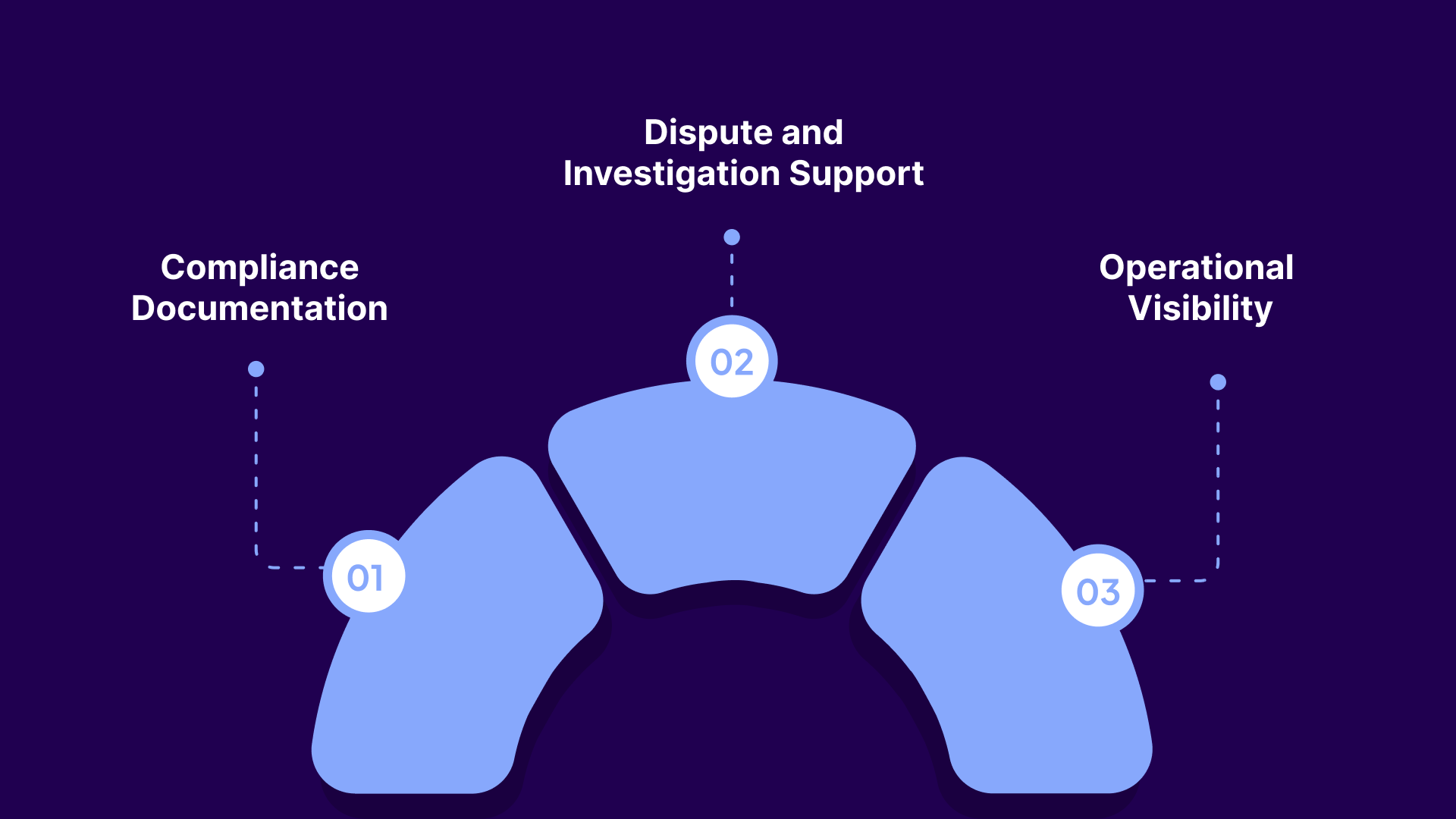
Regulators and creditor clients may request proof that collection practices follow legal requirements. An audit-ready system maintains records that show:
These logs provide clear documentation during audits or compliance reviews.
Consumers may dispute account details or communication practices. In such cases, agencies must provide documented evidence of account activity.
An audit-ready platform maintains records such as:
This documentation helps resolve disputes efficiently and supports regulatory compliance.
Collection teams often manage large account portfolios across multiple channels, including phone, SMS, email, and payment portals. When records are stored across different systems, visibility becomes limited.
Modern digital collections platforms centralize communication, payment activity, and account updates in a single system. This allows compliance and operations teams to view the complete account lifecycle and track interactions more easily.
Platforms such as Tratta support audit-ready collections with automated communication tracking, secure consumer payment portals, compliance monitoring, and integrated reporting dashboards.
These capabilities help agencies maintain clear audit trails while managing collections more efficiently.
Many collection agencies still rely on legacy tools or manual recordkeeping to manage collections. These methods often store information across spreadsheets, call logs, and separate communication tools, which can lead to incomplete or inconsistent records.
The difference becomes clear when comparing how manual systems and audit-ready platforms manage key functions.
Manual processes often make documentation difficult to track and retrieve. Audit-ready systems address this by automatically recording account activity and maintaining organized records in a single platform.
Understanding these differences helps explain why many organizations are moving toward modern collection systems designed to support compliance and operational visibility.
Suggested Read: Complete Guide to Debt Collection Licensing and Compliance
Not all debt collection platforms provide the documentation and compliance visibility required for audits. When evaluating systems, organizations should focus on features that support accurate recordkeeping, compliance monitoring, and operational transparency.
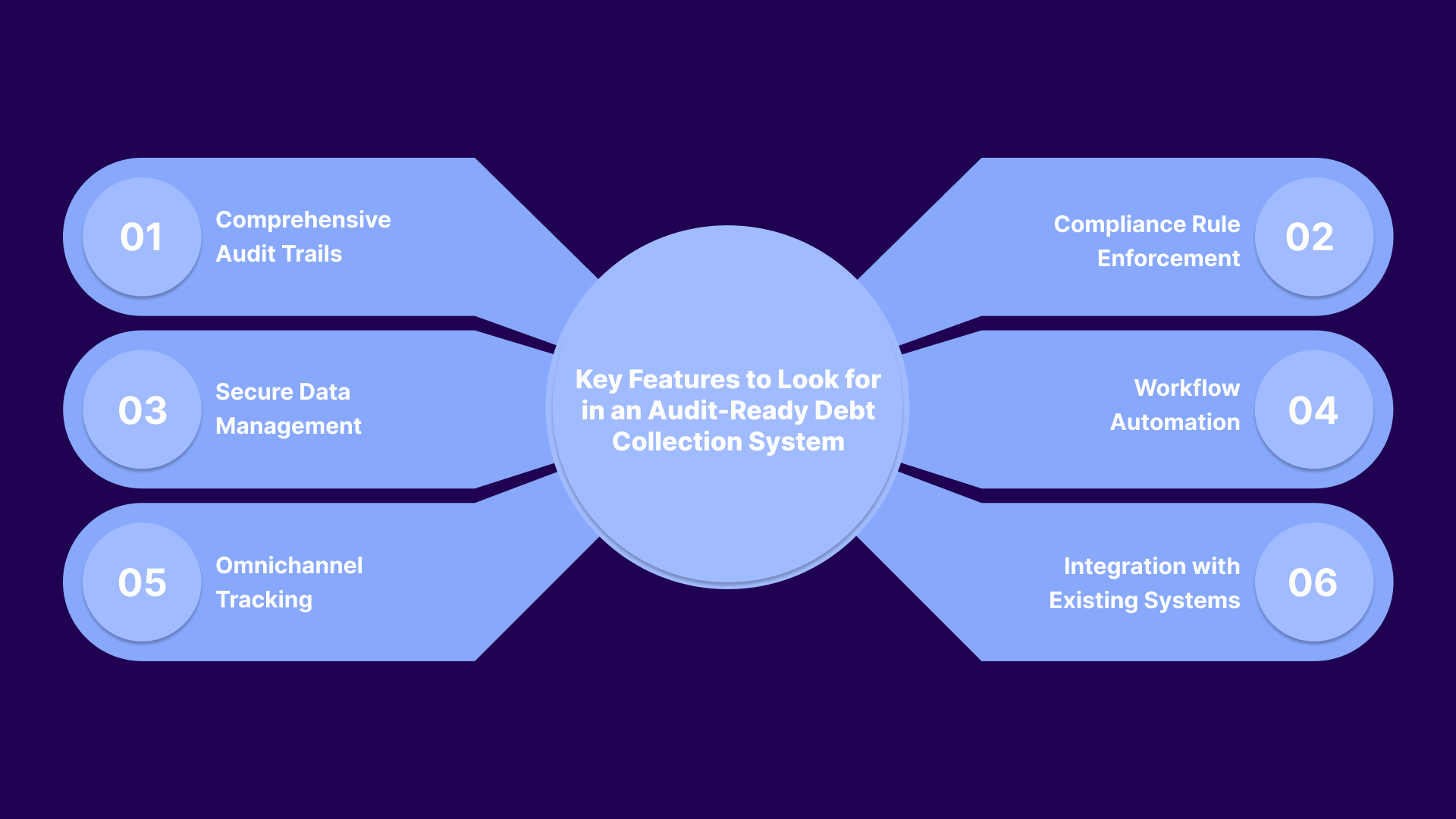
An audit-ready system should automatically record all collection activity, creating a clear timeline of account actions.
Typical records include:
Each entry includes timestamps and user identifiers, making it easier to review account activity during audits or regulatory reviews.
Debt collection regulations impose strict rules around communication timing, frequency, and consumer consent. Modern platforms enforce these requirements automatically.
Key controls may include:
Automation helps reduce compliance risks caused by manual errors.
Debt collection platforms handle sensitive financial information. Security features help protect this data and maintain compliance with privacy standards.
Common protections include:
Automation improves consistency and reduces manual tasks in collection operations.
Typical automated workflows include:
Consumers engage with collectors through multiple channels. An audit-ready system should capture interactions across phone calls, SMS messages, email communications, and secure payment portals. Centralizing these interactions creates a complete communication record for each account.
Collection teams often rely on multiple systems, including CRM platforms, dialers, payment processors, and case management tools. An audit-ready platform should integrate with these systems to maintain consistent account data.
These capabilities are made possible through modern collections technology. Digital platforms are reshaping how agencies document activity, monitor compliance, and manage payment workflows.
Suggested Read: Advanced Collection Software Strategies for 2026
Technology helps collection agencies, law firms, and credit issuers maintain audit readiness while improving operational efficiency. Modern collections platforms automatically document account activity and centralize records, making workflows easier to track and verify.
Unlike manual processes that rely on spreadsheets or disconnected tools, digital systems automatically record communication attempts, payment activity, account updates, and dispute handling. This creates a clear and searchable record of the entire account lifecycle.
Modern platforms typically provide capabilities such as:
Centralizing these activities in one system gives compliance teams clear visibility into account history. Teams can review interactions quickly and generate documentation when audits, disputes, or regulatory reviews occur. Platforms such as Tratta support this approach by offering a digital collections infrastructure designed for transparency and compliance.
Tratta helps collection agencies, law firms, and credit issuers manage collections with clear documentation and consistent compliance practices. It centralizes communication tracking, payment processing, and reporting in a single system.
When account interactions, payment activity, and communication records are stored together, teams can easily review account history and demonstrate compliance when required.
Tratta supports audit-ready collections through capabilities such as:
By centralizing communication, payments, reporting, and integrations, Tratta helps organizations maintain clear documentation while managing collections operations more efficiently.
Now, let's evaluate which platform best fits your organization’s needs.
Selecting the right audit-ready debt collection system requires looking beyond basic functionality. The platform should support compliance, maintain clear documentation, and integrate smoothly with existing operations. When evaluating solutions, focus on the following key areas:
1. Compliance Automation: The system should automatically enforce regulatory requirements such as communication frequency limits, consent tracking, and required disclosures. Automation helps reduce human error and ensures collection activities follow regulations like the FDCPA and Regulation F.
2. Integration with Existing Systems: Collections teams often rely on several tools. A strong platform should integrate easily with systems such as CRM software, payment processors, loan servicing platforms, and accounting tools. This keeps account data consistent and prevents information from being spread across multiple systems.
3. Detailed Audit Trails: An audit-ready system must record all account activity, including communication attempts, payment updates, and dispute records. The ability to export logs quickly is essential when regulators, auditors, or creditor clients request documentation.
4. Reporting and Analytics: Clear reporting tools help teams monitor both compliance and operational performance. Dashboards should provide visibility into communication history, payment activity, and dispute trends so teams can identify issues early.
5. Consumer Self-Service Options: Many consumers now prefer digital options for resolving balances. Platforms that offer secure consumer portals allow individuals to review account details, select payment plans, and complete payments online, improving transparency and engagement.
6. Security and Scalability: Debt collection systems handle sensitive financial information, so strong security controls are critical. Look for features such as encrypted data storage, role-based access permissions, and secure payment environments. Cloud-based platforms also allow organizations to scale as account volumes grow.
Tratta brings these capabilities together in one environment. By combining communication tracking, secure payment portals, automated workflows, and compliance monitoring, Tratta helps agencies maintain clear records while managing collections more efficiently.
Debt collection organizations operate under strict regulatory requirements. Every communication, payment update, and account action must be properly documented to demonstrate compliance and respond to audits or disputes.
Manual processes and legacy systems often scatter records across multiple tools. An audit-ready debt collection system addresses this by automatically recording account activity, enforcing compliance rules, and maintaining centralized audit trails.
Digital platforms such as Tratta combine communication tracking, payment workflows, and compliance monitoring in a single system, helping agencies manage collections while maintaining clear documentation.
Learn how Tratta’s digital collections platform supports audit-ready workflows, secure payment experiences, and compliant communication.
Schedule a demo to see how agencies manage transparent and compliant debt resolution with Tratta.
An audit-ready debt collection system records every collection activity, including communications, payments, and account updates. It creates a time-stamped history of interactions so agencies can demonstrate compliance during audits, disputes, or regulatory reviews.
Debt collection is heavily regulated, and agencies must show that their communication practices follow the law. Audit-ready systems help maintain clear documentation, making it easier to respond to regulatory checks, creditor reviews, or consumer disputes.
Key features include automated audit trails, communication tracking across channels, compliance rule enforcement, and secure data storage. Reporting dashboards and activity logs also help teams monitor compliance and generate audit documentation quickly.
Digital platforms centralize account data, communication history, and payment records in one system. Automation ensures every interaction is logged, allowing compliance teams to review activity and generate reports without manual record gathering.
Yes. Many platforms offer secure self-service portals where consumers can view balances, choose payment plans, and complete payments online. These tools improve transparency while automatically documenting all payment activity and interactions.