5 Digital Collection Compliance Tools for Improved Debt Recovery
Debt Collection & Recovery Software
5 Digital Collection Compliance Tools for Improved Debt Recovery
Published on:
March 24, 2026
Debt collection teams today operate under increasing regulatory pressure. Every consumer interaction, payment update, and account action must be documented and handled in accordance with compliance standards. Managing these requirements manually can quickly overwhelm recovery teams and increase the risk of errors or regulatory violations.
The digital debt collection software market is projected to exceed $7 billion by 2033, driven by automation, cloud adoption, and the need for stronger compliance controls. For agencies, the challenge is not just collecting payments but doing so while maintaining clear compliance records. This is where digital collection compliance tools become essential.
In this guide, we highlight five platforms that help debt recovery teams manage compliance requirements, track consumer interactions, and maintain structured collection workflows.
Quick look:
Manual compliance management increases regulatory risk. Inconsistent documentation, missing communication records, and unclear audit trails can create serious compliance gaps for collection agencies.
Digital compliance platforms help structure recovery workflows. These systems embed regulatory controls into collection processes, helping agencies track consumer interactions and maintain proper documentation.
Several platforms support compliance-focused collection operations. Examples include Tratta, FICO Debt Manager, Experian PowerCurve Collections, Finvi Katabat, and Quantrax RMEx, each offering tools that help agencies manage regulatory requirements.
Strong compliance platforms include key operational capabilities. Agencies should look for audit trails, communication tracking, policy-based workflows, secure payment handling, and reporting tools.
Choosing the right platform supports both compliance and recovery performance. The right system helps agencies maintain regulatory oversight while keeping collection workflows efficient and scalable.
What Are Digital Collection Compliance Tools in Debt Recovery?
Digital collection compliance tools are software platforms designed to help agencies manage regulatory requirements throughout the debt recovery process. They track consumer interactions, enforce workflow rules, and maintain records that demonstrate compliance with applicable regulations.
By embedding compliance controls into operational systems, these tools help agencies reduce risk while maintaining consistent collection practices. Without digital compliance systems, agencies often face several operational and regulatory risks:
Incomplete Communication Records: Consumer interactions may not be fully documented, making it difficult to demonstrate compliance during audits or disputes.
Missed Regulatory Requirements: Manual processes increase the likelihood of overlooking disclosure rules, communication timing restrictions, or documentation requirements.
Inconsistent Collection Practices: Different collectors may follow different procedures, creating uneven compliance across accounts.
Limited Audit Visibility: Agencies may struggle to produce complete activity records when regulators or clients request documentation.
Higher Operational Workload: Staff must spend additional time managing compliance documentation instead of focusing on recovery activities.
To address these challenges, many agencies rely on specialized platforms that integrate compliance controls directly into their collection workflows. The next section highlights several platforms that help debt recovery teams manage compliance more effectively.
Regulatory pressure in debt collection has pushed many agencies to adopt platforms that embed compliance directly into daily workflows. Instead of relying on manual documentation or after-the-fact audits, these systems track communications, payments, and account activity automatically. The following platforms are widely used to help recovery teams maintain compliant collection operations.
Table showing a quick comparison of the best digital collection compliance tools:
Platform
Primary Focus
Compliance-Related Capabilities
Best For
Deployment
Tratta
Digital debt collection and consumer payment platform
Compliance-by-Code workflows, communication documentation, audit trails, secure payment handling
Collection agencies prioritizing digital engagement and automated compliance workflows
Cloud
FICO Debt Manager
Enterprise collections and recovery management platform
Banks and large financial institutions managing complex portfolios
Enterprise platform (cloud or hosted deployments, depending on implementation)
Experian PowerCurve Collections
Analytics-driven collections decisioning system
Policy-driven treatment strategies, regulatory rule enforcement through decisioning engines, and portfolio governance
Lenders and financial institutions using data-driven recovery strategies
Enterprise platform (cloud and hosted deployments available)
Finvi Katabat
Digital collections orchestration platform
Compliance guardrails within workflows, communication tracking, and auditable operational records
Lenders and agencies are adopting automated digital collections
Cloud
Quantrax
Receivables management software for collection agencies and law firms
Communication logging, activity tracking, documentation management, and supporting compliance recordkeeping
Collection agencies and legal recovery teams
Cloud and on-premise options available
Each solution offers a different approach to regulatory oversight, workflow governance, and communication documentation. They are explained in detail below:
1. Tratta
Tratta is a debt collection platform designed to centralize payments, consumer interactions, and operational workflows for recovery teams. It connects communication tools, payment processing, and reporting within a single environment, allowing agencies to monitor account activity and consumer engagement in real time.
A defining feature of the platform is its Compliance-by-Code architecture. Instead of leaving compliance enforcement to staff processes, Tratta embeds regulatory and policy requirements directly into the platform’s workflows. This approach ensures that consumer interactions follow codified rules automatically, reducing manual oversight and lowering the risk of human error.
Other features that support compliant collection workflows include:
Omnichannel Communications: Consumer outreach across email and SMS is tracked and recorded within the platform. This helps agencies maintain clear documentation of communication activity for compliance reporting.
Reporting & Analytics: Detailed operational reports help agencies monitor collection activity, payment behavior, and communication outcomes. These insights support compliance audits and regulatory reporting requirements.
Consumer Self-Service Platform: Consumers can review balances, upload documents, dispute accounts, and make payments independently. Every interaction is recorded, creating a documented record of consumer engagement.
Embedded Payments: Payment activity occurs within the platform and is automatically recorded alongside account updates. This helps agencies maintain accurate payment documentation and transaction records.
Multilingual Payment IVR: Consumers can verify accounts and complete payments through an automated phone system. Payment activity and interaction logs remain visible within the collection workflow.
Campaigns: Agencies can manage outreach campaigns tied to account status and recovery stages. Communication history and consumer responses are tracked to support regulatory documentation.
Contact Center: All consumer messages and requests are converted into structured tickets. This keeps conversations tied to the correct account while creating a searchable communication history.
REST APIs: External systems, such as payment processors or CRMs, can connect securely to the platform. This ensures account updates, payment activity, and communication records remain synchronized across systems.
For agencies that want compliance to operate automatically rather than manually, Tratta offers a particularly structured approach. Its architecture is designed specifically for collection workflows, helping agencies manage regulatory requirements without adding extra operational complexity.
2. FICO Debt Manager
FICO Debt Manager is an enterprise collections platform designed to help financial institutions manage recovery operations while maintaining regulatory compliance. It combines analytics, workflow automation, and governance tools that guide collection activity according to predefined policy rules.
By embedding compliance checks into operational workflows, the platform helps organizations maintain structured, auditable collection practices.
Regulatory Reporting Tools: Generates reports that support internal audits and compliance reviews.
Pros
Strong compliance governance capabilities
Advanced analytics and decisioning tools
Suitable for large regulated organizations
Cons
Complex deployment for smaller agencies
Requires technical configuration expertise
Higher implementation costs
3. Experian PowerCurve Collections
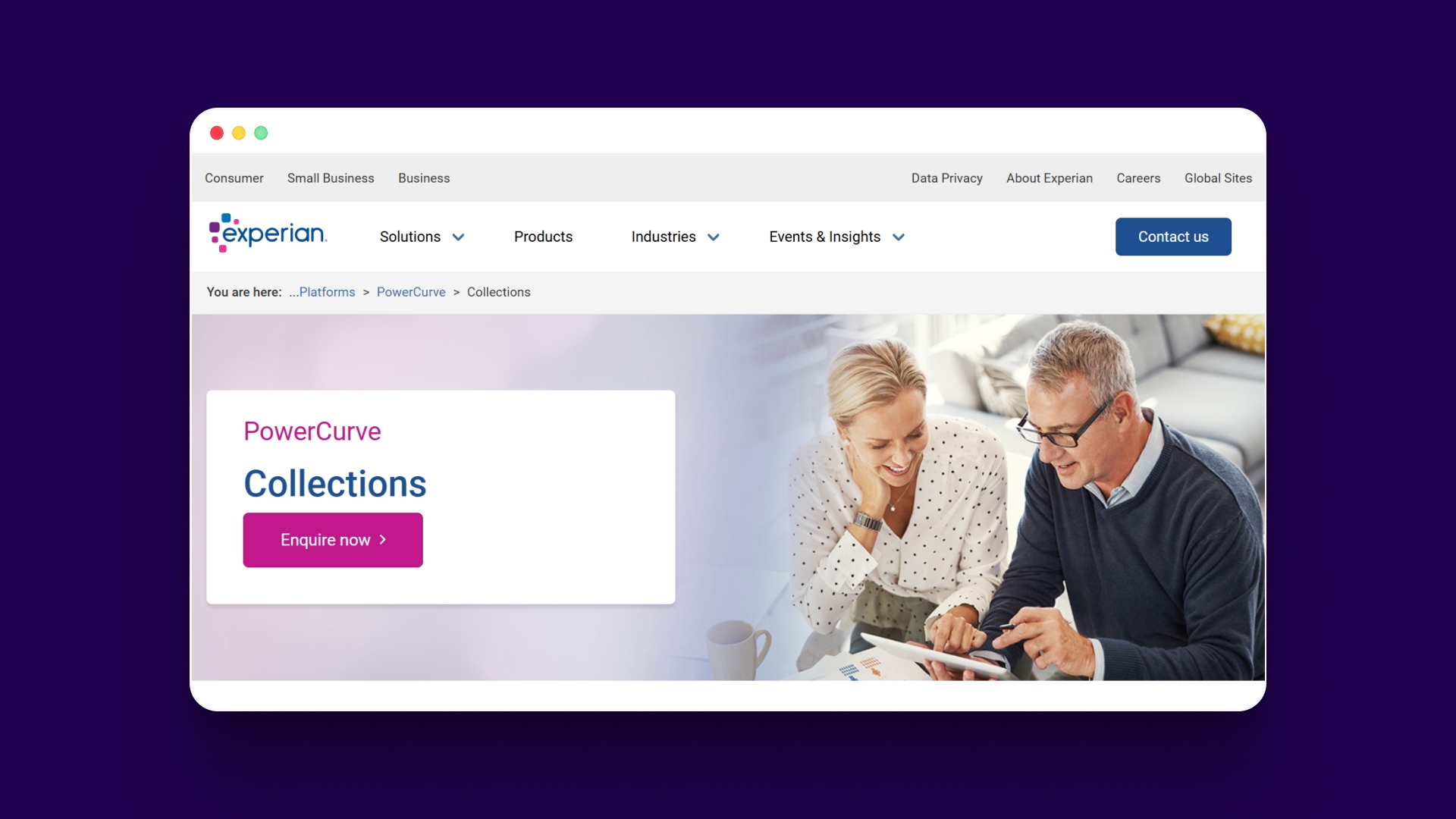
Experian PowerCurve Collections is a data-driven recovery platform designed to help lenders and agencies maintain compliant collection operations. The system uses analytics and decision engines to guide account treatment in accordance with defined regulatory and policy frameworks. This structured approach helps organizations apply consistent, compliant strategies across large portfolios.
Portfolio Segmentation Tools: Group accounts to apply compliant recovery strategies.
Strategy Configuration Controls: Allows organizations to design policy-aligned workflows.
Compliance Monitoring Dashboards: Tracks performance and regulatory adherence.
Operational Workflow Management: Guides collectors through structured recovery processes.
Pros
Strong analytics and policy-driven decisioning
Supports large portfolio management
Backed by Experian’s credit data ecosystem
Cons
Enterprise-level complexity
Requires integration with other operational systems
Implementation can be resource-intensive
4. Finvi Katabat
Finvi Katabat is a digital collections platform designed to automate recovery workflows while maintaining compliance oversight. The platform integrates digital communication tools with rule-based workflow management that supports compliant consumer engagement.
By tracking interactions and enforcing operational policies, Katabat helps agencies manage regulatory obligations throughout the recovery lifecycle.
Quantrax is a collection management system used by agencies and law firms to manage accounts and maintain compliance documentation. The platform emphasizes activity tracking, recordkeeping, and workflow organization to support regulated recovery operations. These capabilities help agencies maintain consistent documentation for audits and regulatory reviews.
Key features include:
Communication Logging Tools: Tracks consumer contact attempts and interaction history.
Compliance Documentation Records: Stores notices, letters, and regulatory documents.
Collector Activity Tracking: Records account handling and workflow actions.
Case and Workflow Management: Organizes account progression within compliant processes.
Operational Reporting: Generates reports for portfolio monitoring and compliance oversight.
Pros
Built specifically for collection agencies
Strong documentation and activity tracking
Suitable for legal collection environments
Cons
The interface appears outdated compared to newer platforms
Limited advanced automation capabilities
Reporting features are relatively basic
Digital compliance platforms often vary in how they enforce rules, document interactions, and monitor operational activity. The next section examines the key features agencies should consider when selecting a digital compliance platform.
Features to Look for in Digital Collection Compliance Platforms for Improved Recovery
The right system helps agencies enforce regulatory requirements while supporting efficient recovery workflows. By embedding compliance controls directly into operational processes, these platforms help teams manage risk without slowing down collection performance.
Key features agencies should look for include:
Automated Compliance Workflows: Platforms should enforce policy-driven workflows that guide collectors through compliant recovery steps.
Communication Tracking and Documentation: Systems should record consumer interactions across channels to maintain clear compliance records.
Comprehensive Audit Trails: Platforms must log account activity, payment actions, and user interactions for regulatory review.
Policy Configuration Controls: Agencies should be able to define rules that align collection activity with regulatory requirements.
Secure Payment Processing: Payment activity should be recorded within the system to support accurate financial documentation.
Operational Reporting Tools: Compliance platforms should generate reports that help agencies monitor recovery activity and regulatory adherence.
System Integration Capabilities: Platforms should integrate with payment systems, CRMs, and analytics tools to maintain consistent operational data.
Tratta helps agencies maintain compliance through structured consumer interaction records and operational transparency. Every payment, communication event, and account action is tied to the consumer record, making it easier to review activity during internal audits or regulatory inquiries. Schedule a free demo today.
How to Choose the Right Compliance Platform for Your Agency
Selecting a compliance platform requires more than comparing feature lists. Agencies must assess whether a system supports their operational workflows, regulatory requirements, and recovery strategies.
When evaluating options, agencies should ask questions such as:
Does the platform embed compliance controls directly into collection workflows?
Platforms that embed compliance rules directly into workflows help ensure collectors follow regulatory requirements automatically. This reduces the risk of human error and keeps collection processes consistent across teams.
Can the system track and document consumer communications across channels?
Communication documentation is essential for demonstrating compliance with regulations governing consumer contact. Systems that log messages, emails, and outreach attempts provide clear records for audits and dispute resolution.
Does it maintain clear audit trails for account activity and payment records?
Audit trails allow agencies to trace account actions, payment updates, and system activity over time. These records help organizations demonstrate that collection activities followed proper procedures.
Can compliance rules be configured to match regulatory and internal policy requirements?
Regulations and internal policies can vary between organizations and jurisdictions. Configurable compliance rules allow agencies to align operational processes with the requirements that apply to their business.
Does the platform integrate with existing collection systems and payment processors?
Collection operations often rely on multiple systems to manage accounts, payments, and reporting. Integration capabilities help ensure compliance documentation remains consistent across connected platforms.
Will the system scale as account volumes and operational complexity increase?
As agencies grow, the number of accounts and regulatory requirements can increase. A scalable compliance platform ensures workflows and oversight mechanisms remain effective as operations expand.
Choosing the right compliance platform can help agencies maintain consistent collection practices while reducing regulatory risk. A well-designed system supports both compliance management and efficient recovery workflows.
Conclusion
Manual compliance management can quickly become a liability in debt recovery operations. Missed documentation, inconsistent communication records, and unclear audit trails increase the risk of regulatory violations and operational inefficiencies.
Tratta helps agencies address these challenges by embedding compliance controls directly into digital collection workflows. With Compliance-by-Code architecture, structured communication records, and integrated payment documentation, the platform helps teams maintain clear oversight of consumer interactions and recovery activity.
If your agency is evaluating ways to strengthen compliance management, it may be time to explore platforms built for modern recovery operations. Get in touch with us today.
Frequently Asked Questions
1. What are the five key areas of compliance in debt collection?
The five key areas include consumer communication rules, data protection, payment processing security, documentation and audit trails, and regulatory reporting. These areas help agencies demonstrate that collection activities follow applicable laws and industry standards.
2. What are compliance tools in debt collection?
Compliance tools are software systems that help agencies manage regulatory requirements during collection operations. They track communications, maintain audit records, enforce workflow rules, and document consumer interactions to support regulatory oversight.
3. What is digital compliance in debt recovery?
Digital compliance refers to using technology to enforce regulatory requirements across collection workflows. Platforms automate documentation, track consumer interactions, and maintain records that demonstrate compliant recovery activity.
4. What is the best compliance software for collection agencies?
The best compliance software depends on operational needs and portfolio size. Agencies typically look for platforms that combine communication tracking, audit trails, workflow controls, and reporting tools to maintain consistent regulatory compliance.
5. Why do collection agencies need digital compliance platforms?
Digital compliance platforms help agencies manage regulatory obligations while maintaining efficient recovery operations. They automate documentation, track consumer interactions, and ensure collection workflows follow established compliance policies.
Note: This information is not legal advice. Tratta recommends that you consult with your legal counsel to make sure that you comply with applicable laws in connection with your collection and outreach activities.
Sign up for our monthly newsletter
Debt collection insights that keep you compliant and competitive.
Thank you! Your submission has been received!
Oops! Something went wrong while submitting the form.


.png)
.png)
.png)
.png)