Missing documents can slow down even the most experienced collection teams. When contracts, statements, and dispute records are scattered across systems, resolving a single account can take far longer than it should. Research shows that 22.34% of employees spend about half a workday each week searching for information, while 10.47% spend up to 1.5 workdays doing the same.
For collection agencies handling thousands of accounts, this lost time quickly becomes an operational challenge. Agents need quick access to accurate documentation to verify balances, respond to disputes, and move accounts toward resolution. When records are hard to find, workflows slow down, and compliance risks grow.
In this article, we explore how agencies use centralized debt document storage to improve account resolution and streamline collection operations.
Quick look:
Centralized debt document storage is a structured system in which all account-related documentation is stored, organized, and accessed from a single location. This approach ensures that collection agencies, compliance teams, and supervisors can quickly retrieve the information they need while handling consumer interactions or reviewing account histories.
By connecting documentation to account workflows, agencies can maintain clearer records, reduce confusion, and ensure every action is supported by verifiable documentation.
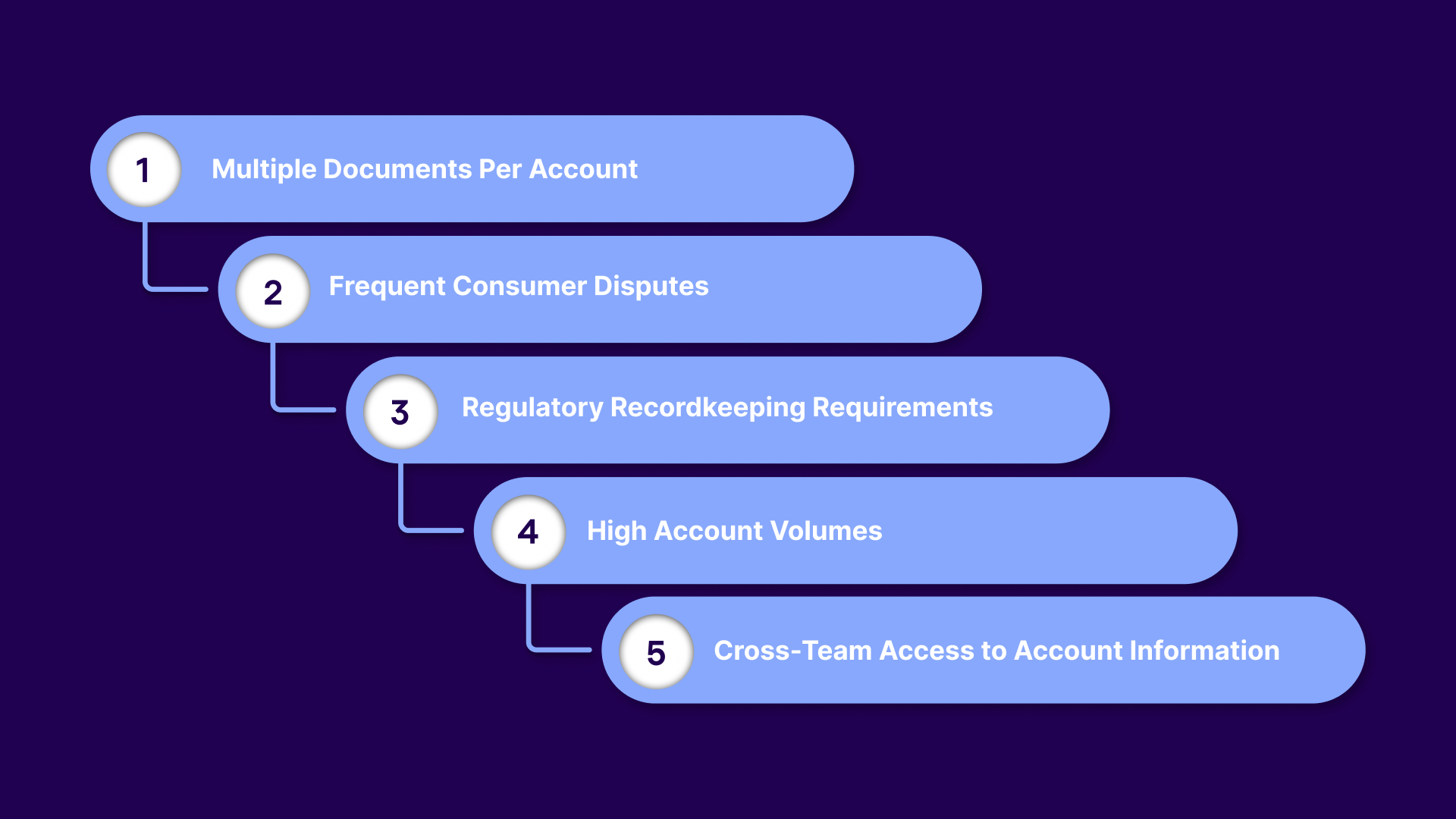
These are a few reasons why debt collectors need a unified data storage solution:
When documentation is organized and accessible, agencies can support smoother workflows and maintain consistent records across operations. The next section explores how structured document systems help agencies resolve accounts more efficiently.
Suggested Read: AI and Data Transforming Debt Collection Methods
Centralized document systems give collection teams a structured way to store, access, and manage account-related records. When documentation is organized around accounts and workflows, agents can retrieve critical files quickly while maintaining consistent records across operations.
These systems typically include the following features:
Tratta connects account activity, consumer communications, and payment records within a single operational workflow. This structure allows teams to reference relevant account information more easily while reviewing documentation and resolving consumer accounts. Schedule a free demo today.
Centralized debt document storage also reduces the friction that often slows down dispute handling, payment negotiations, and account verification. When records are structured and accessible, agents can review account details, respond to consumers, and move accounts toward resolution with fewer delays.
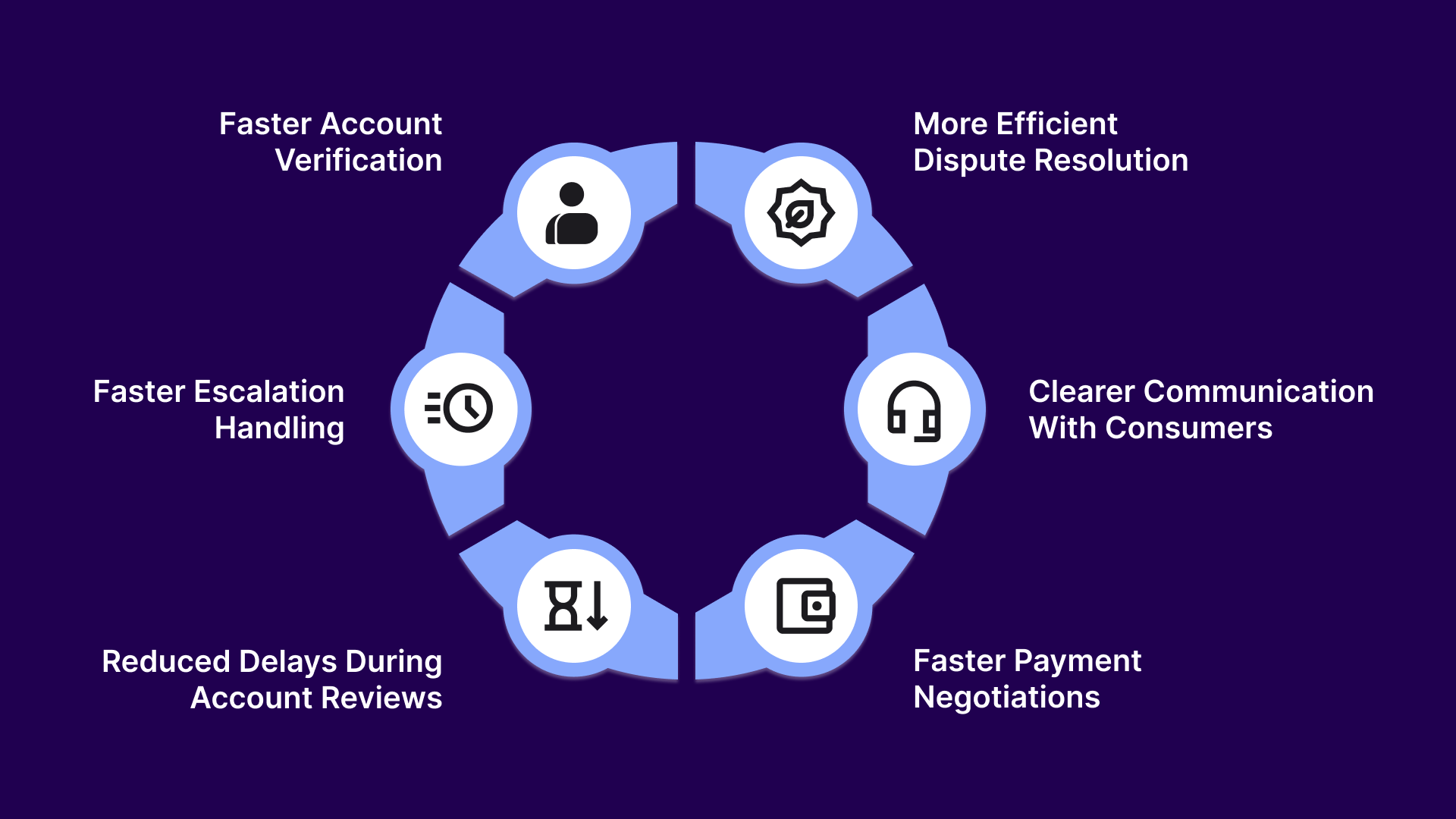
These are a few other ways a better organization helps collectors:
Agents often need to confirm balances, agreements, or payment histories before moving forward with an account. Organized documentation allows teams to verify account details quickly without pausing consumer interactions.
Clear documentation helps agents confirm critical account information during review:
Disputes can delay account resolution if supporting documentation is difficult to locate. Organized records allow agents to review and validate consumer claims without extended back-and-forth.
Agents can review key materials that support dispute handling:
Agents often need to reference documentation while explaining balances, settlements, or payment options. Organized files help agents confirm details before providing information to consumers.
Accurate documentation supports clearer conversations during account discussions:
Settlement discussions often depend on quick access to account information and prior agreements. Organized documentation helps agents review records while discussing payment options with consumers.
Agents can reference the documentation needed to support negotiation decisions:
Accounts may require internal reviews before payment plans or settlements are approved. Organized records allow supervisors or compliance teams to review documentation quickly.
Internal reviews move faster when key documentation is readily available:
Some accounts require escalation to supervisors or legal teams before resolution. Organized documentation ensures that everyone reviewing the account has access to the same records.
Clear documentation supports smoother escalation reviews:
While better document organization helps agents resolve accounts more efficiently, agencies also need the right structure and processes to support it. The next section explores practical steps for building a system that keeps documentation accessible, organized, and connected to collection workflows.
Suggested Read: Automated Debt Settlement: What It Is And How It Works
A structured approach helps teams maintain accurate records, support account reviews, and ensure documentation remains easy to locate across the collection lifecycle. Agencies need clear processes, defined structures, and the right technology to ensure documents remain accessible, organized, and connected to account workflows.
These are a few useful steps:
Start by identifying where documents are currently stored across systems and teams:
Consistent document classification helps teams find records quickly during account reviews:
Access controls ensure sensitive consumer information remains protected:
Documentation should remain connected to account activity and collection processes:
Clear training ensures teams follow consistent documentation practices:
Tratta supports these operational workflows through features such as omnichannel communications, embedded payments, reporting and analytics, and contact center tools that connect account activity in a single operational environment. This structure allows teams to review communication history, payment interactions, and account records while resolving consumer inquiries. Get in touch to learn more.
For agencies managing large volumes of accounts, well-organized documentation creates operational stability and reduces the friction that often slows down collection activities.
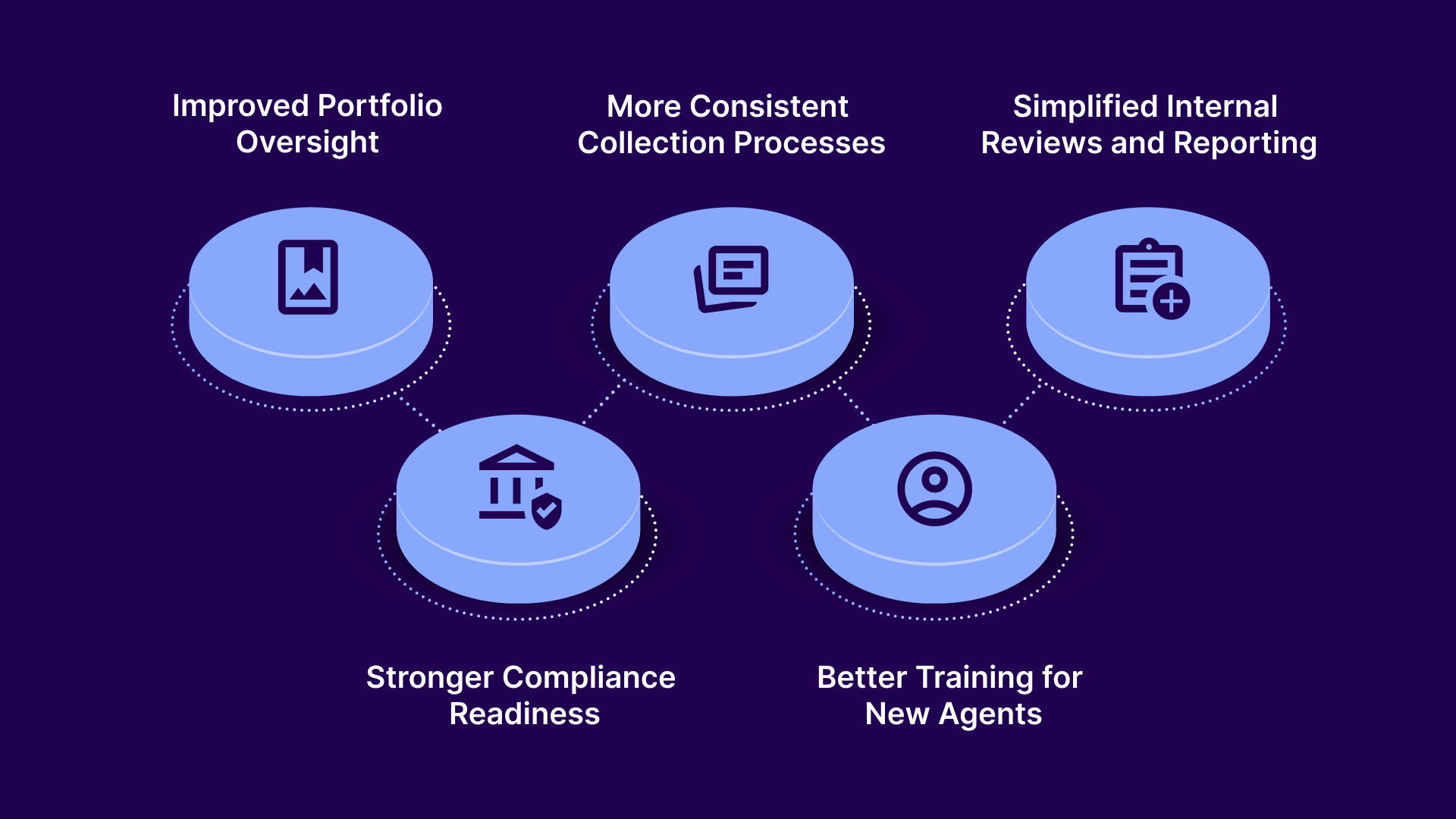
These are a few other benefits:
While organized documentation supports smoother operations, agencies may still encounter challenges when centralizing records across systems and teams. The next section explores common obstacles collection teams face when implementing structured document workflows.
Suggested Read: OCR Invoice Processing And Data Extraction Methods
Centralizing documentation sounds straightforward, but collection agencies often face practical obstacles during implementation. Legacy systems, inconsistent processes, and operational silos can make it difficult to bring records together in a structured and accessible way.
Table showing common challenges to help agencies prepare for a smoother transition toward organized documentation:
These barriers often arise when documentation practices change informally over time. Without structured systems and clear standards, agencies may struggle to maintain consistent records across growing portfolios.
Best practices to overcome these barriers:
While these practices help create a more organized documentation structure, agencies increasingly rely on technology to support them at scale. Contemporary collection platforms do more than store documents.
They connect account records, communications, payments, and operational workflows, creating a broader system that supports the entire debt management process. This is explained in the next section.
Suggested Read: Tips To Get Started With Credit Management Software
Tratta is a digital debt-collection and account-resolution platform designed for collection agencies, creditors, and collection law firms. Rather than functioning as a standalone document repository, the platform connects account records, consumer communications, payment interactions, and operational workflows within a single system.
This structure allows teams to review relevant account information while managing accounts, handling disputes, and guiding consumers toward resolution.
Core features include:
The Contact Center interface allows agents to manage consumer conversations while reviewing account information in the same workspace. Agents can view communication history, account activity, and interaction records while discussing balances or resolving issues.
The omnichannel communications system tracks interactions across SMS, email, and voice channels within a centralized timeline. Agents can review message history, outreach attempts, and consumer responses before continuing a conversation. Maintaining a clear communication record helps teams reference prior interactions when resolving accounts.
The reporting and analytics dashboards provide visibility into payment activity, communication performance, and account resolution trends. Agencies can review portfolio performance metrics, engagement data, and operational reports from a centralized system.
Tratta supports API integrations and system connections that allow agencies to sync account information with other operational tools. This integration enables data sharing between collection systems, payment processors, and CRM platforms without manual transfers. As a result, agencies can reference relevant account data while managing collection workflows.
The consumer self-service portal allows individuals to review account details and resolve debts independently online. Consumers can view balances, payment options, and settlement offers directly through a secure interface. By giving consumers access to their account information, agencies can support faster and more transparent account resolution.
The embedded payments feature allows consumers to make payments directly through digital channels, such as links, portals, and messaging. Agencies can support ACH and card payments, scheduled payment plans, and one-time transactions within the platform.
The multilingual payment IVR system allows consumers to resolve payments through automated phone interactions. Consumers can access self-service payment options, account information prompts, and language preferences without speaking to an agent. This automated process helps agencies handle routine payment resolutions efficiently.
The Tratta Campaigns feature enables automated communication workflows that guide consumers through the resolution process. Agencies can schedule payment reminders, follow-up messages, and outreach sequences across digital channels.
The platform provides configurable workflows and operational settings that enable agencies to adjust processes to meet portfolio needs. Teams can modify communication strategies, payment pathways, and account management workflows without rebuilding systems. This flexibility helps agencies maintain consistent operational practices as portfolios change.
Tratta includes security and compliance safeguards designed to protect sensitive consumer information. The platform maintains secure data handling, access controls, and operational recordkeeping aligned with regulatory requirements. These protections help agencies maintain clear and secure records while managing debt collection operations.
Tratta helps agencies bring greater structure and clarity to their collection operations. Your team can review account activity, respond to consumers with confidence, and move accounts toward resolution without unnecessary delays.
Disorganized documentation can create serious challenges for collection agencies. When records are scattered across systems or difficult to locate, agents may struggle to verify accounts, respond to disputes, or maintain consistent documentation during consumer interactions. These gaps can slow account resolution, increase compliance risks, and make it harder for teams to manage growing portfolios efficiently.
This is where Tratta makes a difference. Features such as omnichannel communications, embedded payments, reporting and analytics, and contact center tools allow teams to review account information and manage resolutions more efficiently.
If your agency is looking to optimize account resolution and maintain clearer operational records, Tratta can help. Book a free demo today.
Centralized data storage means keeping organizational data in one structured location accessible to authorized users. For collection agencies, this includes account records, communications, payment activity, and documentation linked to accounts.
Banks typically retain many financial records for five to seven years, depending on regulatory requirements. Collection agencies often follow similar retention timelines to support audits, disputes, compliance reviews, and documentation requests.
Centralized filing improves document retrieval speed, reduces duplicate records, supports compliance documentation, strengthens access control, and maintains consistent record organization. These advantages help agencies manage large volumes of account records efficiently.
A centralized document management system stores and organizes documents in one repository. It allows teams to categorize files, manage access permissions, and maintain structured records for operational review, compliance, and internal documentation.
Documentation helps agencies verify accounts, review balances, respond to disputes, and maintain compliance records. Organized documentation ensures agents can reference account history quickly while supporting transparent and consistent collection practices.